
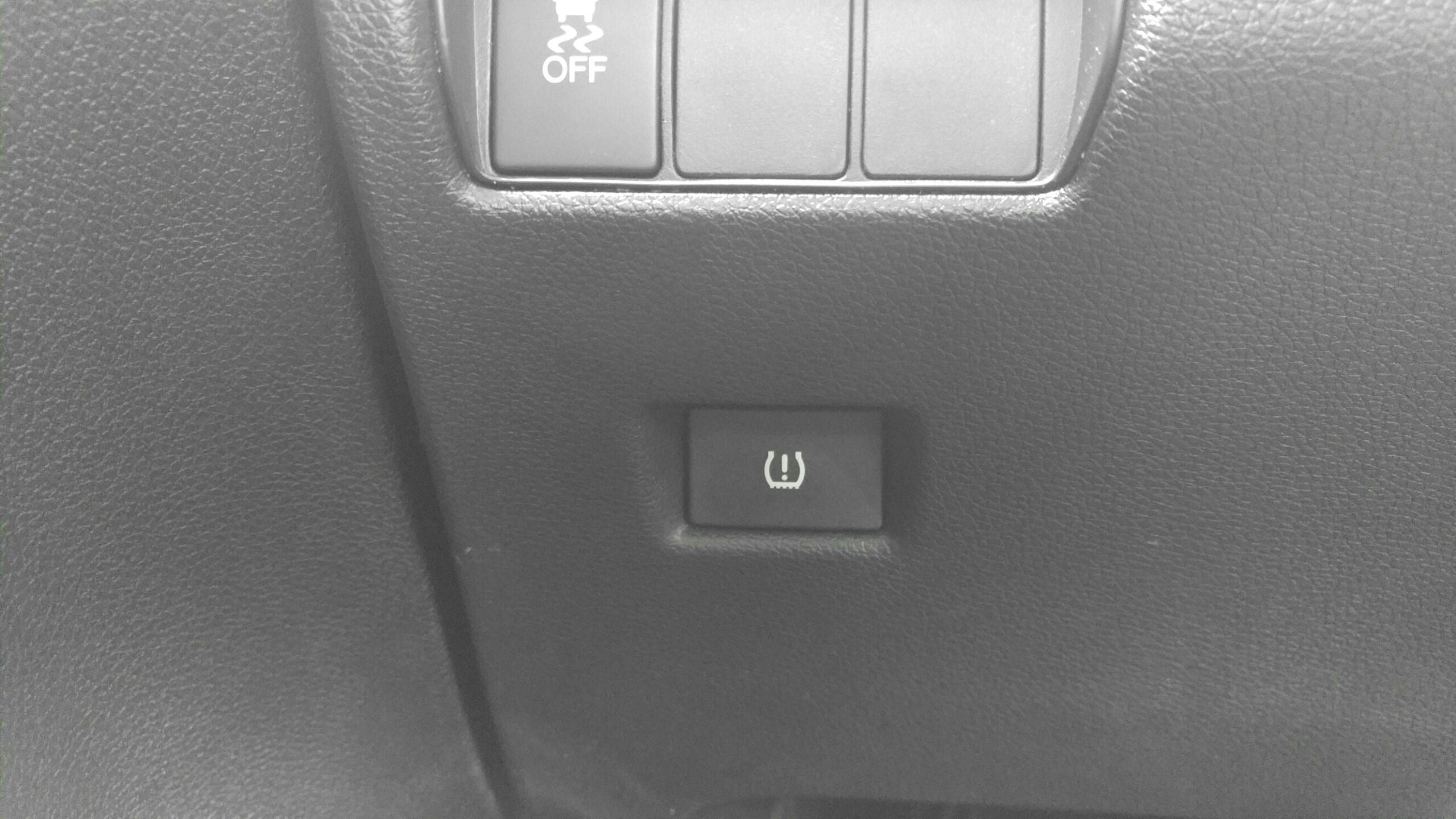
The acronym TPMS stands for Tire Pressure Monitoring System, a crucial technology integrated into modern vehicles such as the Honda Accord. This system is designed to continuously assess the air pressure in the tires, ensuring that they remain at optimal levels. Proper tire pressure is essential for vehicle performance, safety, and fuel efficiency, and understanding TPMS can significantly enhance your driving experience.
In the context of a Honda Accord, the TPMS plays a pivotal role in the functionality and reliability of the vehicle. It serves not only as a safety measure but also as a means of maintaining efficient driving. With various reasons behind tire pressure fluctuations—including temperature changes, wear, and external conditions—a robust understanding of TPMS is invaluable.
Types of Tire Pressure Monitoring Systems
Predominantly, there are two types of TPMS employed in vehicles: direct TPMS and indirect TPMS. Each system has its unique mechanisms of operation and characteristics.
Direct TPMS
The direct TPMS utilizes individual pressure sensors installed in each tire. These sensors are responsible for measuring the actual tire pressure in real time. When the pressure falls below a predetermined threshold, the system triggers a warning light on the dashboard, alerting the driver to address the situation promptly. This method offers precise and immediate data regarding tire performance, making it easier for drivers to take timely action.
Indirect TPMS
On the other hand, indirect TPMS does not use individual tire sensors. Instead, it is integrated with the vehicle’s anti-lock braking system (ABS) to monitor the rotational speed of each wheel. If the system detects that one tire is rotating faster than the others—indicative of lower pressure—it interprets this as a warning sign. While indirect systems can be less accurate than their direct counterparts, they provide an alternative method of monitoring tire pressure and can be effective in their own right.
Understanding TPMS Warnings
When the TPMS activates, it manifests as a warning light on the dashboard. Familiarizing yourself with these warning signals is critical, as they convey different meanings regarding tire pressure and overall vehicle safety.
TPMS Light Activation
Primarily, the TPMS light may illuminate when the tire pressure in one or more tires drops significantly below the recommended level. This illumination is often accompanied by a message indicating which tire needs attention. Ignoring this warning can lead to reduced traction, increased tire wear, and compromised safety.
Flashing TPMS Light
A flashing TPMS light usually signifies a malfunction within the system. It may indicate that the system has detected an issue with one of the tire pressure sensors or that a reset is needed after adjustments have been made. When faced with a flashing light, it is advisable to consult the owner’s manual or seek professional assistance.
Why is Monitoring Tire Pressure Important?
Maintaining the correct tire pressure is more than a matter of compliance; it directly influences various aspects of vehicle operation.
Enhanced Fuel Efficiency
Properly inflated tires can significantly improve fuel efficiency. Under-inflation can cause increased rolling resistance, resulting in higher fuel consumption. Conversely, over-inflated tires may lead to a harsher ride and decreased traction. Striking the right balance can enhance mileage, saving you money in the long run.
Improved Safety
On the safety front, well-maintained tire pressure helps maximize contact between the tires and the road. This optimal contact is essential for effective braking and steering, especially during inclement weather or on slippery surfaces. Low tire pressure can lead to longer stopping distances and a greater likelihood of tire blowouts, posing a significant safety risk.
Longevity of Tires
Regular monitoring of tire pressure also contributes to the longevity of the tires themselves. Incorrectly inflated tires can lead to uneven wear patterns and premature tire deterioration. By ensuring that your tires are inflated to the manufacturer’s specifications, you can extend their lifespan and protect your investment.
How to Maintain Your TPMS
To ensure the continued effectiveness of your TPMS, regular maintenance and familiarity with the system’s functionality are essential.
Routine Checks
Regularly check the tire pressure manually using a reliable gauge, ideally once a month or before long trips. Compare these readings with the manufacturer-recommended levels, usually found on a sticker located on the driver’s side door frame.
Awareness of Seasonal Changes
Be mindful of temperature fluctuations, as tire pressure can decrease by approximately one PSI for every ten-degree Fahrenheit drop in temperature. Adjustments may be necessary when transitioning between seasons to maintain optimal performance.
Professional Inspections
Finally, consider professional inspections of your TPMS during routine vehicle servicing. Professionals can calibrate the system, replace malfunctioning sensors, and ensure that your entire tire and pressure monitoring system operates seamlessly.
In conclusion, understanding what TPMS means on a Honda Accord, its types, the significance of tire pressure, and how to maintain the system can greatly enhance your overall driving experience. Knowledge is power, and being proactive about tire pressure can lead to improved safety, enhanced vehicle efficiency, and substantial cost savings over time.












