
The modern Honda Civic is a masterful blend of engineering and technology, offering a seamless driving experience. Among the various technological integrations, the Tire Pressure Monitoring System (TPMS) plays a crucial role in enhancing safety and optimizing performance. Understanding what TPMS means and how it operates can deepen your knowledge of your vehicle and enhance your driving experience.
To grasp the significance of TPMS in your Honda Civic, it’s paramount to first delineate what TPMS stands for: Tire Pressure Monitoring System. This innovative system serves as your vigilant ally, tirelessly monitoring the air pressure in each tire. Utilizing a network of sensors, TPMS alerts you when tire pressure deviates from the manufacturer’s stipulated recommendations, which directly affects road grip, fuel efficiency, and overall safety.
The Importance of TPMS
Driving on under-inflated tires can severely compromise your vehicle’s performance and safety. The primary roles of the TPMS in your Honda Civic include:
- Enhancing Safety: Proper tire pressure ensures optimal traction and control, reducing the risk of blowouts and accidents.
- Improving Fuel Efficiency: Maintaining the correct tire pressure contributes to better fuel economy, as properly inflated tires minimize rolling resistance.
- Extending Tire Longevity: Keeping tires at the right pressure prevents uneven wear, prolonging their lifespan and saving on replacements.
Types of TPMS
Honda Civics are equipped with either a Direct TPMS or an Indirect TPMS, each with unique characteristics and functionalities.
Direct TPMS
The Direct TPMS employs individual sensors located within each tire to precisely measure tire pressure. When tire pressure drops below a certain threshold, the sensors communicate with the vehicle’s onboard computer, illuminating a warning light on the dashboard. This system allows for real-time monitoring, giving drivers immediate alerts about any significant pressure drop.
Indirect TPMS
Conversely, the Indirect TPMS operates by using the vehicle’s anti-lock braking system (ABS) to monitor the rotational speed of each tire. When a tire is under-inflated, it rotates at a different speed compared to adequately inflated tires. The system identifies this discrepancy and triggers a warning light on the dashboard, alerting the driver of the issue. While this method is less precise than Direct TPMS, it is a vital safety feature nonetheless.
Dashboard Warnings Decoded
Upon starting your Honda Civic, you may encounter various dashboard lights, including those related to the TPMS. Each warning serves as a critical communication tool between your vehicle and you. Understanding these warning signals can lead to proactive vehicle maintenance and extended tire life.
TPMS Warning Light
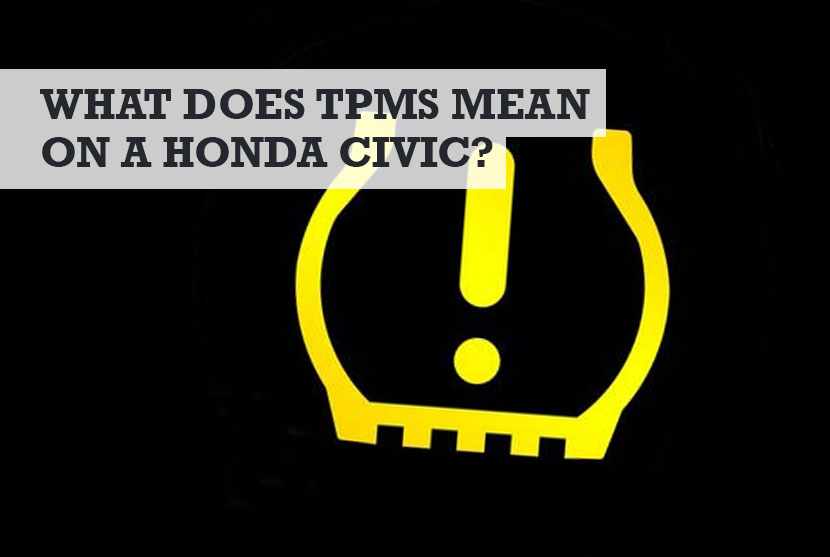
Typically represented by an exclamation mark within a horseshoe shape, the TPMS warning light is the most recognizable indicator of tire pressure issues. When illuminated, this light signifies one of two possibilities: either a tire is significantly under-inflated or there is a malfunction within the TPMS system itself. It is crucial not to ignore this warning. Checking your tire pressures as soon as the light activates can prevent further complications.
Flashing TPMS Light
In many Honda Civics, a flashing TPMS light denotes a more serious issue, specifically a malfunction of the TPMS itself. This could be due to a sensor failure or a system error. If this light flashes, it is advisable to visit a qualified technician who can diagnose and rectify the concerned issue, ensuring the safety of your drive.
Common TPMS Issues
While the TPMS significantly enhances safety, it is not devoid of issues. Understanding these comunes can save time and ensure your vehicle operates smoothly.
- Temperature Changes: Tire pressure can significantly fluctuate with changes in temperature. A drop in ambient temperature can cause the air inside the tires to contract, lowering the pressure and potentially triggering the TPMS warning light.
- Improper Tire Installation: If tires are not fitted correctly or if the sensors are damaged during installation, it can lead to erroneous readings and warning lights.
- Dead Sensors: Over time, the batteries in the TPMS sensors can fail, leading to the need for replacement sensors to maintain a fully functional monitoring system.
Resetting the TPMS
After addressing the tire pressure issue or replacing faulty sensors, resetting the TPMS is essential to ensure it functions correctly. In most Honda Civics, this involves locating the TPMS reset button, typically situated below the steering wheel or near the dashboard. Following the owner’s manual will guide you through the specific reset process for your model.
Concluding Thoughts
In conclusion, TPMS is an indispensable feature embedded within your Honda Civic, serving as a critical safeguard for your driving experience. Whether illuminated or flashing, the dashboard warnings related to TPMS should never be overlooked. By understanding the mechanisms behind this system and its alerts, you can maintain optimal vehicle safety, efficiency, and tire health. Take the time to check your tire pressures regularly and address any warnings promptly—your Honda Civic will thank you with every smooth drive.












