
Understanding age groups in soccer can feel like navigating a labyrinth, especially when terms like “U18” come into play. What does U18 really mean, and how does it fit into the larger framework of youth soccer? Let us embark on an enlightening journey through the realm of age groups in soccer, shedding light on the nuances of U18 and its implications.
At its core, the term “U18” signifies “Under 18,” indicating that the players in this category are 17 years old or younger. This classification is crucial as it provides a structured environment for players at a critical stage in their athletic and personal development. Among youth soccer leagues, age groups serve to ensure that players compete against peers of similar age and maturity. But the implications of this classification extend far beyond simple age delineation.
As we probe deeper, it becomes evident that the U18 category plays a pivotal role in shaping young athletes’ futures. Players within this bracket are often on the cusp of transitioning to higher levels of competition. But what does that transition entail? It often involves greater stakes, including potential scholarships, professional opportunities, and the chance to represent their region or country. With such a transformative juncture ahead, one might whimsically ponder: Are these young athletes prepared for the challenge, or is the pressure of expectations overwhelming?
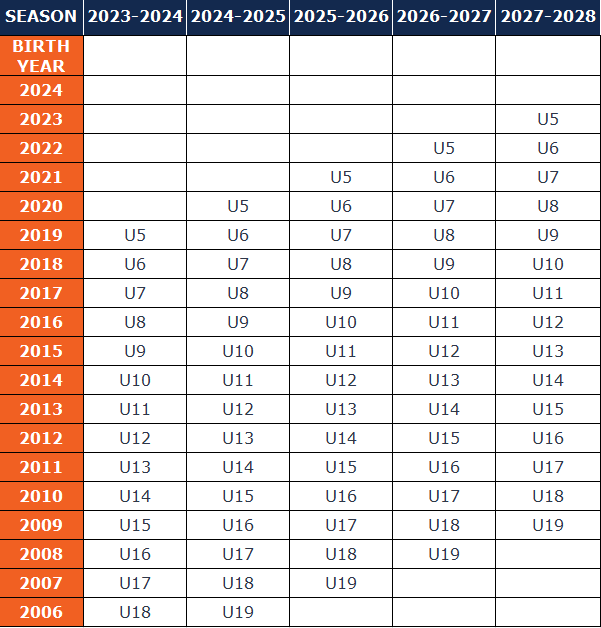
The age brackets in youth soccer typically follow the “U” format, ranging from U6 to U19 and beyond, delineating players based on their birth year. For instance, a U18 team would comprise players born in a specified range—essentially those who fall under the age limit by the year’s end. This system allows coaches to organize and evaluate talent effectively, facilitating fair competition and player development.
One of the most intriguing components of the U18 category is its inherent variability across different regions and federations. In countries like the United States, local youth leagues often follow regulations set by the governing bodies such as US Soccer. These organizations administer guidelines that dictate how age groups are formed, ensuring that all players have a clear understanding of the landscape they are entering.
As athletes engage in U18 competitions, they are afforded the chance to hone their skills in an environment designed to mimic the rigors of adult soccer. Training regimens become more intense, and the quality of matches escalates significantly. Players are not just playing for fun; they are demonstrating a seriousness of purpose that could lead to elite careers. This begs the question: Is the drive to succeed in youth soccer motivating youth exploration and enjoyment or inadvertently stifling creativity?
The U18 category also often aligns with high school soccer seasons. In many regions, players find themselves balancing their commitments to school teams and club teams. This duality introduces a complex dynamic where young athletes must develop time management skills that allow for both academic success and athletic excellence. Can these young competitors navigate this tightrope effectively, or will they falter under mounting pressures?
Competition at the U18 level can be fierce, with teams vying for positions in prestigious tournaments and leagues. Players, coaches, and parents alike often feel the weight of these tournaments, which can lead to a uniquely challenging atmosphere. The emotional rollercoaster of victories and defeats at this age can forge resilience among young athletes, but it can also yield intense stress. A daunting contemplation arises: How can such pressure cultivate sportsmanship and determination while also safeguarding mental wellness?
Furthermore, the U18 league serves as a critical proving ground for scouts and coaches keen on discovering the next generation of soccer talent. Many players in this age group will be assessed not just for their current skill sets but also their potential for growth and adaptability. The consequences of these assessments can resonate through the years, leading many young players to ask themselves: What do I need to improve to stand out? This question becomes a vital catalyst for self-improvement and ambition.
Many young athletes also explore the possibility of transitioning from collegiate soccer into professional setups. This pathway often begins within the U18 ranks, as clubs frequently monitor this age group closely. As a result, elite U18 players may find themselves trialing for professional teams or even committing to collegiate programs that allow them to play at a high level while pursuing their education. These potential exchanges prompt a playful pondering: Is this duality of sport and education a privilege or a necessity for aspiring soccer players?
Moreover, the experiences gained in the U18 category can extend well beyond the pitch. Players often acquire essential life skills such as teamwork, communication, and resilience—qualities that are invaluable regardless of one’s future endeavors. Engaging in competitive environments can teach young athletes about the importance of discipline and hard work. This leads to an intriguing notion: Can the lessons learned in a soccer context transcend the field and lead to greater achievements in other spheres of life?
As players navigate the exhilarating yet daunting world of U18 soccer, they are not merely preparing themselves for future competitions; they are embarking on a transformative journey. Age groups in soccer, particularly U18, serve a multifaceted purpose, shaping athletes both on and off the field. The challenge remains: as these young individuals grow, how will they reconcile their aspirations with the realities of competitive sports? Only time will tell where their soccer journeys might lead, but the lessons they gather along the way will undoubtedly shape their futures in an indelible manner.












