
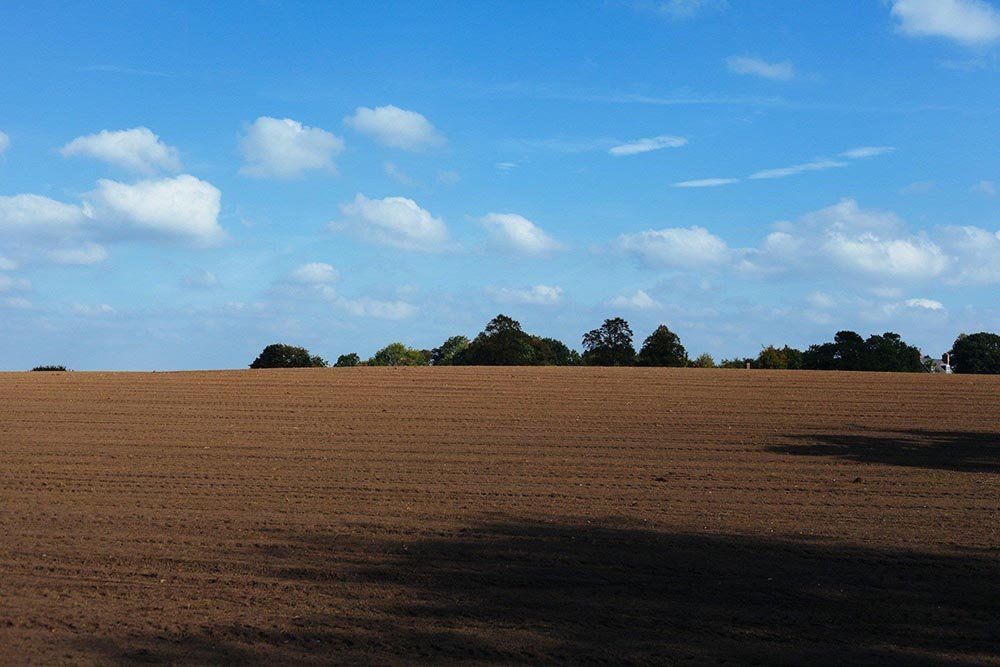
When venturing into the expansive terrain of real estate, one term that consistently surfaces is “unimproved land.” While seemingly straightforward, the implications of this designation unfurl like the rolling hills of an untouched landscape, inviting both inquiry and intrigue. To comprehend what unimproved land truly entails, it is essential to dissect its characteristics, uses, and potential pitfalls.
Understanding Unimproved Land
At its core, unimproved land refers to parcels of property devoid of any significant enhancements or infrastructure. Unlike developed land, which boasts roads, utilities, and buildings, unimproved land remains in its natural state. This raw canvas, ripe for development, elicits a dichotomy of opportunity and challenge. Investors and aspiring homeowners exploring this domain must grasp the nuances that define unimproved land.
Characteristics of Unimproved Land
When analyzing unimproved land, several defining characteristics emerge:
- Natural Terrain: Unimproved land typically showcases its original topography, complete with forests, hills, and wetlands. This untouched beauty can attract nature lovers and developers alike, seeking a connection to the earth.
- Lack of Utilities: Most unimproved parcels do not have access to essential services such as water, electricity, or sewage systems. This absence may require substantial investment for those aspiring to build.
- Zoning Restrictions: Local zoning laws dictate permissible land uses, which often vary widely. Familiarity with these regulations is crucial for any prospective buyer to avoid future litigation.
- Accessibility: The accessibility of unimproved land can fluctuate significantly. Some parcels may boast direct road access, while others might necessitate long paths or no clear entry point.
- Environmental Considerations: Unimproved land might harbor protected habitats, wetlands, or archaeological sites, adding an extra layer of complexity to development potential.
The allure of unimproved land lies not merely in its untamed beauty but in the potential it embodies. Investors often view these lands as blank canvases, ready for their vision and transformation. However, prospective buyers must tread cautiously, for beneath the surface lies a myriad of challenges.
Exploring the Potential of Unimproved Land
With the right foresight, unimproved land can yield an abundance of possibilities. Here are the most compelling avenues to consider:
- Residential Development: For those dreaming of a custom home tailored to their desires, unimproved land offers the ultimate opportunity. The absence of pre-existing structures allows homeowners to design their estate from the ground up.
- Agricultural Use: Many unimproved parcels are ideally suited for agriculture, providing fertile grounds for farming or livestock rearing. Contextual awareness regarding soil quality is indispensable for prospective agriculturalists.
- Recreational Potential: Outdoor enthusiasts may be drawn to unimproved land for recreational purposes. Camping, hiking, and off-roading become incredibly appealing when landscapes remain undisturbed.
- Long-Term Investment: Purchasing unimproved land is often viewed as a viable investment strategy. As urban sprawl continues and development spreads, the appreciation potential can be significant.
The Challenges of Unimproved Land
While the prospects can be enticing, potential buyers should remain cognizant of the challenges intertwined with unimproved land:
- Financing Complications: Traditional mortgage lenders may hesitate to finance unimproved land purchases due to perceived risks. Buyers might need to seek alternative financing solutions, which can come with higher interest rates.
- Development Costs: Engaging in development will invariably incur expenses. From securing permits to installing utilities, understanding the financial ramifications is paramount.
- Unforeseen Legal Issues: Zoning disputes, easements, and land use restrictions can impede development. Engaging a real estate attorney is advisable for navigating these intricate legalities.
- Environmental Regulations: Compliance with environmental laws can complicate development plans, particularly if protected species or habitats are in play.
The Investment Decision
Investing in unimproved land is not for the faint of heart. It requires meticulous research and a clear vision. Engaging local experts, such as real estate agents and environmental consultants, is crucial to ascertain the true value and viability of the proposed investment.
Before cementing any purchase, buyers should conduct comprehensive due diligence, including site visits and soil testing. Understanding the land’s topography, accessibility, and potential hazards can inform decision-making and alleviate future regrets.
Conclusion: The Intrigue of Unimproved Land
Unimproved land represents a captivating confluence of possibility and challenge in the realm of real estate. As a foundational stone for development, it stirs a sense of adventure, inviting those with an eye for opportunity to embrace its potential. The promise of creating something uniquely one’s own—be it a home, a farm, or a recreational haven—creates allure that many find irresistible. However, like any venture into the unknown, it demands prudence, passion, and a willingness to navigate the complexities that lie ahead.
For those poised to explore the uncharted territories of unimproved land, the journey may be fraught with uncertainty, yet it is a path replete with promise. Understanding its characteristics, appreciating its challenges, and recognizing its potential will be the keys to unlocking its limitless possibilities.












