
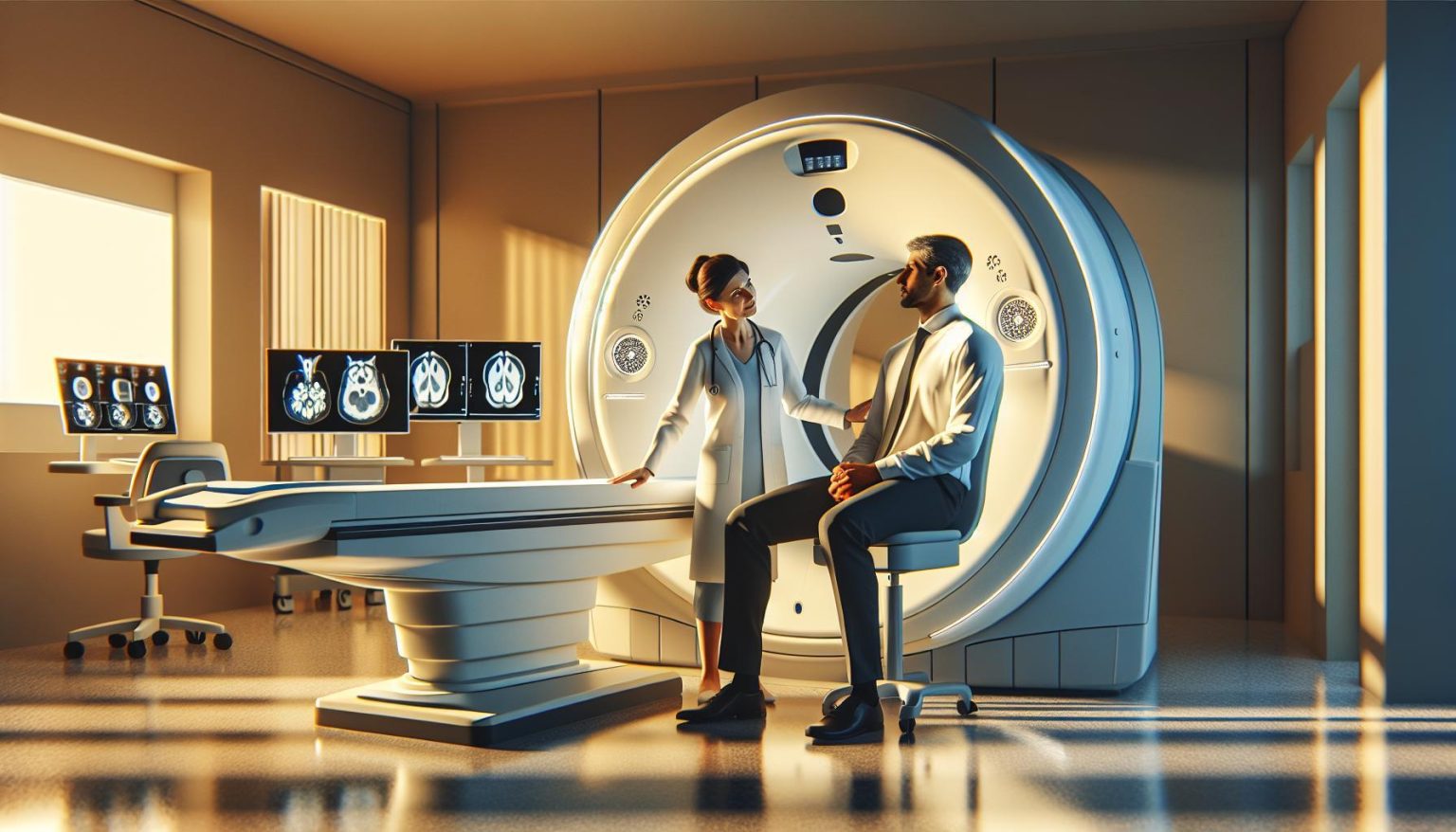
When navigating the intricate world of medical diagnostics, terms within radiological reports can often seem daunting. Among these terms, “unremarkable” is ubiquitous yet frequently misunderstood. This article elucidates the concept of “unremarkable” in CT scan reports, demystifying its significance and implications for patients. Herein, we dive into various aspects surrounding this term, ranging from its definition to the context in which it is used within medical literature.
Understanding ‘Unremarkable’
The term “unremarkable” serves as a euphemism in the medical lexicon. It indicates that the findings on a CT scan do not reveal any abnormalities or significant pathology worth mentioning. In essence, the organs, structures, or tissues examined appear normal. For patients grappling with health uncertainties, this designation can incite a spectrum of emotions, ranging from relief to confusion. Patients often ponder: if everything is unremarkable, why did I undergo the scan in the first place?
Contexts Where ‘Unremarkable’ Appears
Unremarkable findings can appear across various medical contexts. When radiologists examine CT scans, they scrutinize numerous aspects of anatomy. For instance:
- Abdominal Scans: Within an abdominal CT, the presence of unremarkable findings might indicate normal size and shape of the liver, kidneys, and pancreas, devoid of tumors, cysts, or other anomalies.
- Chest Scans: An unremarkable chest CT scan would typically suggest lung fields free of masses or fluid, as well as a healthy heart silhouette and unobstructed airways.
- Head Scans: In a cranial CT scan reporting unremarkable results, the absence of lesions, hemorrhages, or signs of trauma conveys a healthy brain.
What Patients Should Take Away
The designation of “unremarkable” can provide patients with a sense of closure. It implies that no immediate medical intervention or further investigation is necessary. However, it is crucial for patients to recognize that “unremarkable” does not equal “perfectly healthy.” There remain underlying conditions that cannot be diagnosed through imaging alone. Thus, continuous engagement with healthcare providers about persistent symptoms or health concerns is paramount.
Dialogue with Your Doctor
Upon receiving a CT scan report that includes the term “unremarkable,” discussion with the attending physician is beneficial. During this dialogue, patients can clarify what “unremarkable” specifically pertains to in their context. Queries may include:
- What specific structures were examined?
- Are there any mild variations from the normal that were noted?
- Should further tests be conducted despite unremarkable results?
Such inquiries are instrumental in obtaining a comprehensive understanding of one’s health status.
Common Myths Surrounding ‘Unremarkable’
Despite its common usage, myriads of myths cloud the significance of unremarkable findings:
- Myth 1: Unremarkable Means No Issues at All – While unremarkable findings indicate normality in the examined areas, this does not account for systemic issues that may not be visible through CT imaging.
- Myth 2: All CT Scans Will Yield Unremarkable Results – Each scan has its purpose, and while some may yield unremarkable results, others may reveal critical health issues that necessitate immediate attention.
- Myth 3: Unremarkable Results Are Always Good News – Although they often signal the absence of disease, patients valuing comprehensive health should remain vigilant and proactive in their healthcare journey.
Limitations of CT Scans
CT scans, highly valued for their detail and speed, do possess limitations. As comprehensive as they might be, they cannot capture everything. Certain conditions, such as functional disorders or early-stage diseases, may evade detection entirely. Thus, relying solely on a CT scan for health assurance can be misleading. Combination diagnosis, including clinical assessments and secondary tests, may often be required to achieve a holistic view of one’s health.
Future of Imaging Technologies
Emerging technologies are continuously reshaping the diagnostic landscape. Advances in MRI and ultrasound techniques promise enhanced visualization capabilities, potentially reducing dependence on CT scans. As innovation burgeons, the efficiency of identifying abnormalities will improve, with the hope that the ambiguity surrounding terms like “unremarkable” may diminish alongside outdated technologies.
Conclusion
The term “unremarkable” in CT scan reports, imbued with nuance, plays a significant role in patient diagnostics. It signifies normalcy in the evaluated areas, providing a reassuring message to those navigating the uncertainties of health. Nevertheless, patients must remain proactive and inquisitive, engaging with their healthcare practitioners to unveil the intricacies of their health. As medical science progresses, a greater understanding of imaging results will pave the way for optimal patient care, empowering individuals on their path to health and wellness.












