
Extradition remains one of the most complex and contentious issues in international law. At the heart of this intricate tapestry of regulations is the concept of “waiving extradition.” For legal practitioners, scholars, and the layperson alike, understanding what it means to waive extradition is essential to grasping the dynamics of legal agreements between nations. In this exploration, we delve into the legal terminology surrounding extradition, the implications of waiving it, and the motivations that can lead individuals to forfeit their right to extradition.
1. Defining Extradition
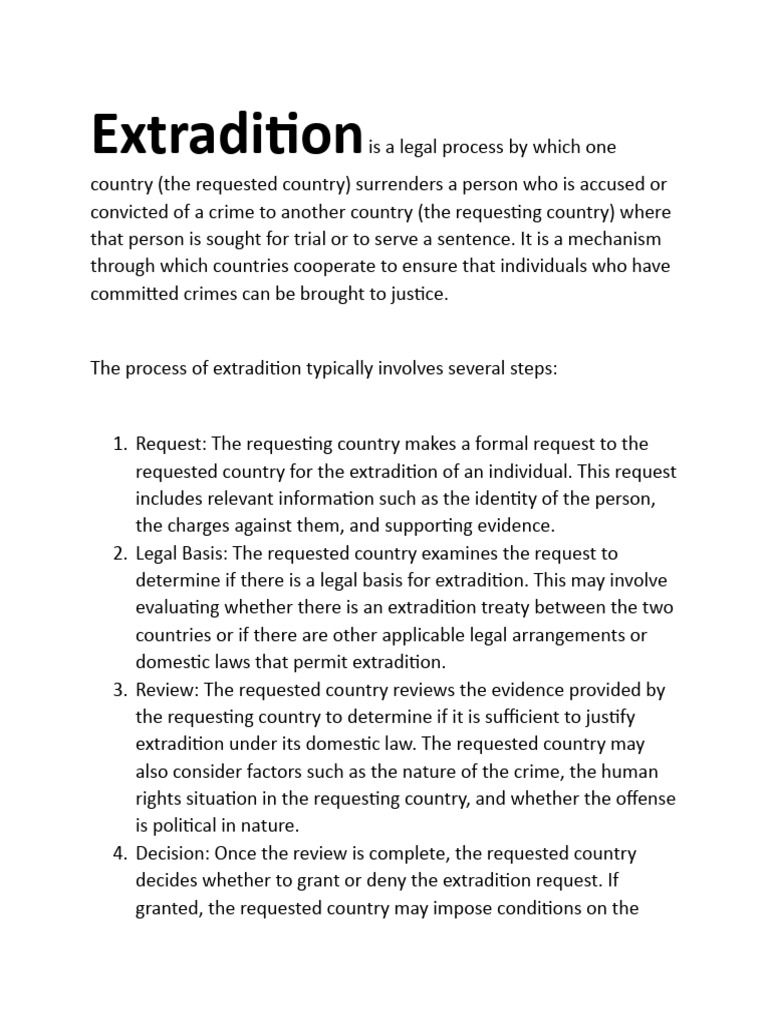
Extradition is the formal process through which one jurisdiction surrenders an individual to another jurisdiction, typically to face charges or serve a sentence. This legal transference is predicated on treaties, statutes, or reciprocal agreements between nations. The expectation is that the requesting country has credible evidence of the individual’s criminal behavior aligned with its laws. However, the emotive weight behind extradition can elicit social, political, and even psychological reactions, provoking debates rooted in issues of justice, sovereignty, and human rights.
2. The Mechanism of Waiving Extradition
To waive extradition effectively means that the individual facing extradition voluntarily relinquishes their right to contest the extradition request. This often occurs in cases where a defendant perceives that the legal odds are stacked against them, or when their strategic interests align better with compliance. The process can be multifaceted and may occur during extradition hearings, negotiations, or prior to legal proceedings. Understanding the legal ramifications is critical, as waiving extradition **can limit** the personal agency of the accused and lead to profound consequences in their legal trajectory.
3. Rationale Behind Waiving Extradition
There are several underlying reasons for an individual to choose waiving extradition, each steeped in a blend of pragmatism and despair. Some might view the legal hurdles as insurmountable. For example, high-profile cases often attract intense media scrutiny and public opinion, skewing the environment in which legal battles unfold. Others may calculate that surrendering may yield a more lenient sentence or expedited trial process, further influencing their rationale.
Moreover, geopolitical factors cannot be overlooked. In situations where an individual hails from a country with tenuous relations with the requesting state, they may decide to waive extradition to avoid exacerbating diplomatic tensions. Others might fear repercussions under the requesting state’s legal system, which may be perceived to lack equity or transparency.
4. Legal and Ethical Implications of Waiving Extradition
The act of waiving extradition is not without significant legal and ethical implications. From a legal standpoint, this waiver can influence the proceedings in both the home country and the requesting country. Once extradited, defendants lose the ability to contest the legitimacy of the charges, as a waiver typically entails acceptance of the legal process in the requesting state. Consequently, this can result in long-term imprisonment or severely penal outcomes.
Ethically, the nuance becomes even murkier. Waiving extradition casts a shadow over the individual’s agency. Ultimately, the decision to forgo this legal protection reflects an intricate interplay between autonomy and duress, prompting questions about whether individuals made these choices freely or under overwhelming pressure.
5. The Role of Legal Counsel in Waiving Extradition
Legal counsel plays a pivotal role in the decision to waive extradition. Attorneys must navigate the labyrinthine intricacies of international law and provide clients with a realistic examination of the potential consequences. That said, the guidance of a knowledgeable legal representative is crucial to ensuring that the individual fully comprehends the ramifications of waiving this right. An informed attorney might also glean avenues for negotiation or alternative legal strategies that an individual may not have considered.
6. Case Studies: Notable Instances of Waiving Extradition
Some cases provide illumination into how the dynamics of waiving extradition manifest in real-life scenarios. A quintessential example is that of individuals involved in political asylum cases. Many times, individuals wanted by authorities in their home countries choose to waive extradition, driven by a quest for refuge and protection from repressive regimes. In contrast, pressures can come from state officials in the requesting country, influencing requests for waivers in cases that could invoke sensitive national security interests. Such instances underscore the volatility and nuance inherent in decisions regarding extradition.
7. The Broader Implications of Extradition Waivers on International Relations
Ultimately, the act of waiving extradition can reverberate beyond the personal sphere, significantly impacting international relations. Nations may view extradition requests through the lens of mutual cooperation or betrayal, depending on public sentiment and diplomatic ties. An increase in extradition waivers may lead to a climate of distrust, hindering future agreements or cooperative law enforcement efforts between nations.
Conclusion
In conclusion, the concept of waiving extradition encapsulates a complex interplay of legalities, individual choices, and international relations. Driven by multifaceted motivations, individuals may find themselves opting for this route amidst pressure, fear, or strategic calculations. Each decision reflects deeper values and perceptions within the broader discourse on justice, human rights, and the mechanics of international law. A careful examination of these cases sheds light on the enthralling, often convoluted world of extradition, encouraging further inquiry and understanding in this evolving arena.












