
Waiving extradition is a term that holds significant weight in legal circles, particularly concerning the intricate interplay between justice and international relations. At its core, the act of waiving extradition entails an individual’s voluntary relinquishment of their rights to contest extradition requests posed by another jurisdiction, typically in the context of criminal proceedings. This procedure can be multifaceted, influenced by a variety of factors including the legal frameworks of different nations and the personal circumstances surrounding the individual involved. Below, we delve deeper into the concept of extradition waivers, exploring their legal implications, rights affected, and the broader context in which they operate.
Understanding Extradition
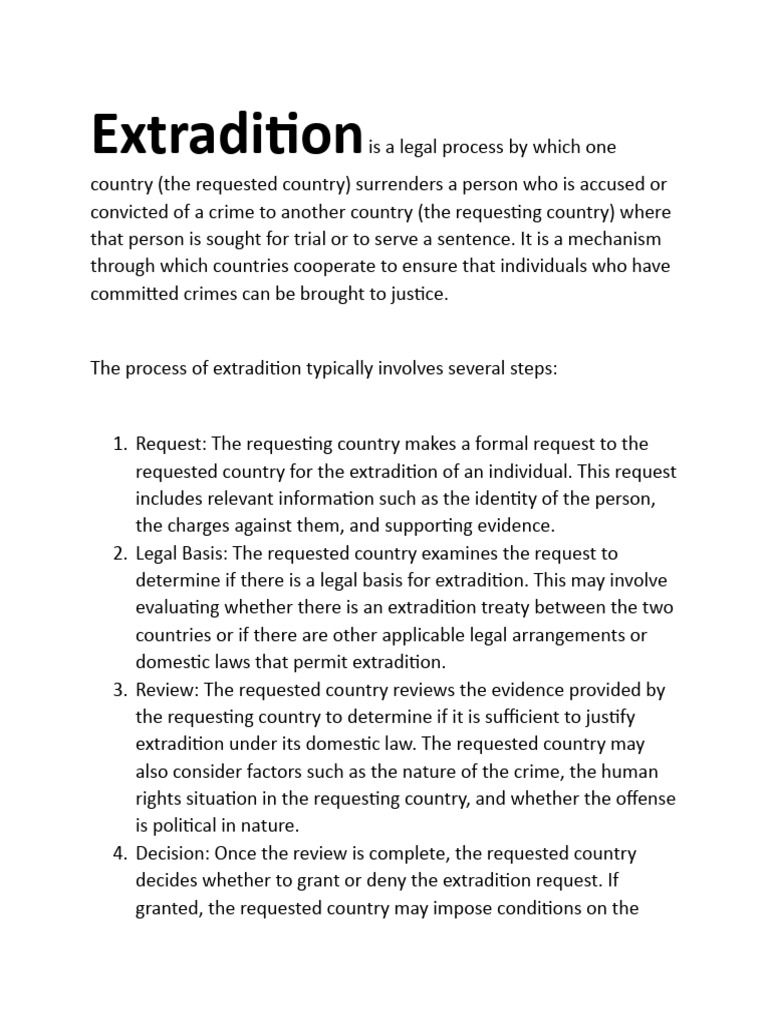
Before delving into waiving extradition, it is important to understand what extradition itself entails. Extradition is a legal process whereby one jurisdiction seeks the surrender of an individual from another jurisdiction to face criminal charges or serve a sentence. This intricate process is governed by treaties, domestic laws, and international agreements, necessitating a degree of cooperation between nations. The conditions under which extradition occurs vary widely, influenced by the severity of the crimes alleged and the diplomatic relations between the countries involved.
The Mechanics of Waiving Extradition
When an individual opts to waive their rights, they essentially consent to be extradited without the standard legal opposition that might typically arise. This waiver can manifest for several reasons. An individual might wish to expedite the legal process, avoid prolonged incarceration during extradition proceedings, or perhaps negotiate a more favorable outcome by demonstrating cooperation. The decision to waive extradition is typically executed in the presence of legal counsel, ensuring that the individual fully comprehends the ramifications of their choice.
Legal Rights and Implications
Waiving extradition has profound implications for legal rights. By relinquishing the right to contest extradition, individuals forfeit the opportunity to challenge various elements of the extradition request, including the validity of the warrant issued, the nature of the charges, or procedural deficiencies in the requesting country’s judicial system. Moreover, individuals may not fully appreciate the potential consequences of their waiver, including the possibility of facing harsher penalties once extradited.
Additionally, one must consider the human rights dimensions of extradition waivers. Various legal frameworks, such as the European Convention on Human Rights, outline protections against extradition that could lead to inhumane treatment or unjust trials. By waiving extradition, individuals could unwittingly expose themselves to conditions that contravene these protections. It is paramount that individuals consult with legal experts before making such irrevocable decisions.
Factors Influencing the Decision
Numerous factors can influence an individual’s choice to waive extradition. Coercive circumstances, such as prolonged detention, may compel an individual to forgo their legal rights in pursuit of resolution. Alternatively, some may perceive tactical advantages in acknowledging guilt or accepting charges as a means to negotiate lesser sentences. The intricacies of each case can vary markedly, necessitating personalized legal guidance.
Furthermore, external pressures from diplomatic negotiations may play a role. In instances where political ramifications are at play, individuals may find themselves caught between shielded diplomatic relations and their legal rights. This multifaceted landscape complicates the decision process regarding extradition waivers.
Judicial Oversight of Extradition Waivers
Judicial oversight remains a critical aspect of the extradition process, even when an individual opts to waive their rights. Courts play an essential part in ensuring that waivers are made voluntarily, intelligently, and without coercion. During hearings, judges often engage in comprehensive reviews of the circumstances surrounding the waiver. This oversight serves as a safeguard against potential abuses of power, ensuring that individuals are not unduly pressured into forfeiting their rights.
Alternatives to Waiving Extradition
For some individuals, the decision to waive extradition may not be the sole pathway available. Alternative strategies can include the negotiation of plea bargains, petitioning for asylum, or seeking refuge in third countries. Each of these options presents its own complexities and legal frameworks, necessitating a nuanced understanding of international law. Individuals might seek asylum based on political persecution, thereby avoiding extradition through the assertion of their human rights. Such legal avenues require efficient navigation through the intricacies of international law enforcement and immigration policies.
The Broader Implications of Extradition
Waiving extradition extends beyond the individual involved. The practice is emblematic of broader international legal practices and the shifting dynamics of global politics. Nations often utilize extradition treaties as tools of diplomacy, negotiating terms that reflect their interests in combating transnational crime, terrorism, and corruption. Therefore, each waiver can have ripple effects, not only for the individual but also for the countries involved.
Conclusion: A Weighty Decision
The decision to waive extradition is laden with consequences that intertwine legal rights with broader socio-political considerations. Individuals facing extradition must weigh the potential benefits against the possible repercussions, a process that underscores the importance of informed legal counsel. As the interplay between national laws grows increasingly complex in our globalized world, the dialogue surrounding extradition – and waivers thereof – will undoubtedly continue to evolve, necessitating careful scrutiny and robust legal acumen.












