
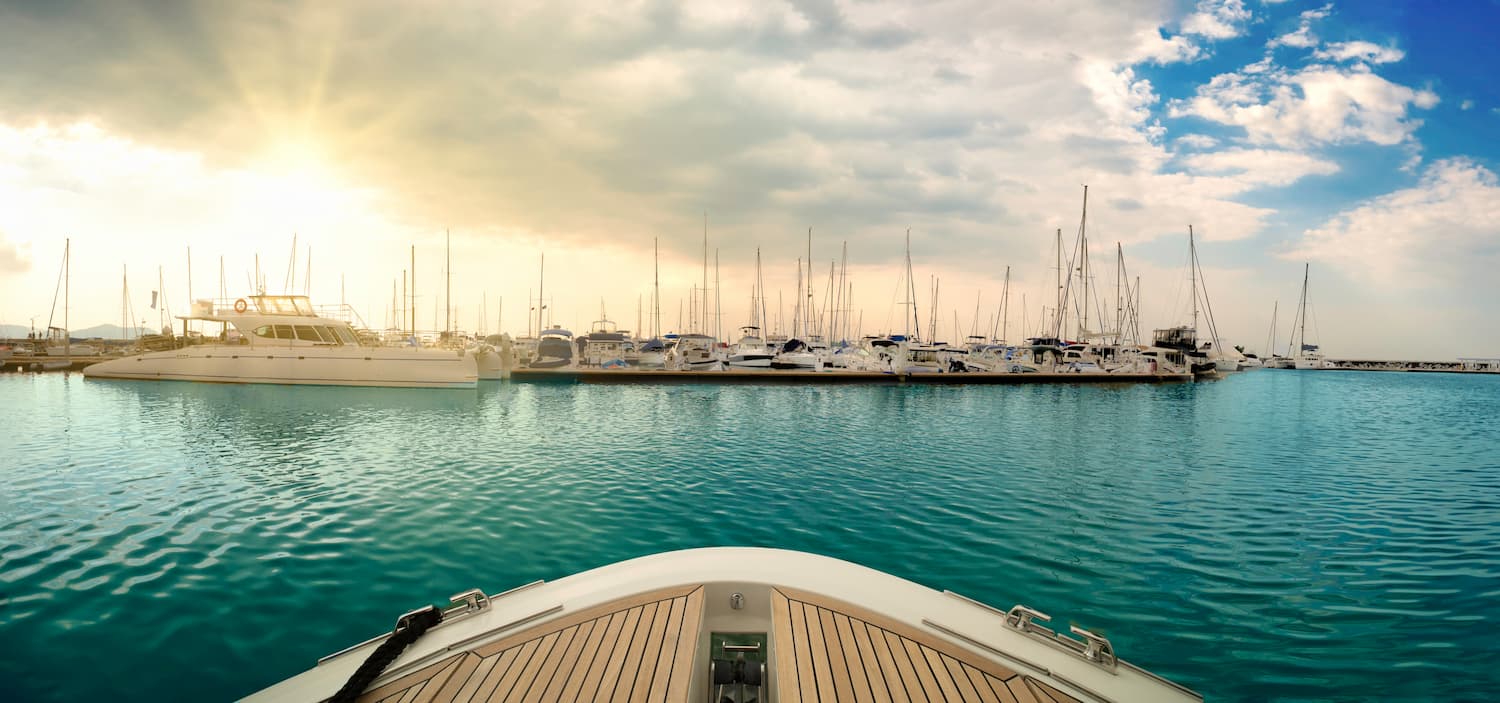
When you hear the term “Yacht Certified,” what comes to mind? Does it evoke images of luxurious vessels glistening under the sun, or does it raise a challenging question: What exactly validates a yacht’s certification? Understanding marine standards, particularly those associated with yacht certification, is crucial for anyone engaged in the nautical world. In a realm where safety, performance, and legality converge, being well-informed is not merely beneficial—it is imperative.
First, let’s unravel the essence of yacht certification. In broad strokes, this certification signifies that a yacht adheres to a specific set of standards and regulations established by authoritative bodies. These standards encompass various facets, from safety equipment and construction quality to environmental compliance and operational procedures. But what authoritative bodies govern this domain, and how do they set these intricate standards?
At the heart of yacht certification are prominent organizations such as the International Maritime Organization (IMO), the American Bureau of Shipping (ABS), and the Det Norske Veritas (DNV). Each entity brings its own expertise and guidelines. The IMO, for example, focuses primarily on creating a comprehensive regulatory framework designed to ensure the safety and security of shipping and to prevent marine pollution. The ABS and DNV, on the other hand, provide classification societies that not only set standards but also conduct inspections and surveys to assess compliance.
So, how does one obtain this coveted certification? The path to yacht certification typically involves several stages. Initially, the yacht must be designed and constructed to meet the stipulated norms. Upon completion, the vessel undergoes a series of rigorous inspections. These inspections evaluate everything from the robustness of the build to the efficacy of safety equipment, including life jackets, emergency beacons, and fire suppression systems.
However, certification does not end with a one-time inspection. Regular audits are essential. These periodic evaluations ensure that the yacht maintains its compliance over time. For the owner, this means a sustained commitment to excellence. But what challenges could arise during these inspections? Picture a scenario where a yacht fails to meet certain criteria due to improper maintenance or overlooked repairs. This not only jeopardizes the yacht’s certification status but could also lead to costly delays and financial setbacks.
Another significant aspect of yacht certification pertains to environmental regulations. Increasingly, the marine industry is emphasizing eco-conscious practices. The International Convention for the Prevention of Pollution from Ships (MARPOL) sets stringent guidelines for waste management, fuel emissions, and oil spills. A yacht certified under these regulations not only demonstrates a commitment to environmental stewardship but also often garners a better reputation among discerning clients and charter companies. Yet, this introduction of eco-regulations poses its own set of challenges. Adapting to greener technologies can sometimes entail substantial investments and operational adjustments. Is your yacht ready to embrace the green wave?
A key component often overlooked in the certification discussion is the role of insurance. Many insurance underwriters require proof of certification before they’ll provide coverage. This requirement creates a symbiotic relationship between certification and liability protection. For a yacht owner, without the necessary certification, acquiring comprehensive insurance could become an arduous task. Imagine navigating the vast oceans of the world, only to discover that your vessel is underinsured or, worse, uninsurable due to lack of certification. The implications of navigating such tumultuous waters could be far-reaching.
Furthermore, let’s consider the thrilling world of yacht charters. The luxury yacht charter market is booming, and clients often demand proof of a yacht’s certification as a prerequisite for hiring. A certified yacht not only assures potential clients of its seaworthiness but also enhances its allure. Owners seeking to charter their vessels without certification may find themselves at a distinct disadvantage, unable to capitalize on the burgeoning demand for luxury experiences at sea.
Yet, yacht certification is not solely a fortress erected against liability and dissatisfaction; it is also a gateway to prestige. A certified yacht exudes an aura of reliability and professionalism that can set it apart in a crowded marketplace. From the most intimate sailing experiences to grand voyages, the certification serves as a badge of honor, reflecting a commitment to upholding the highest industry standards.
Additionally, as technology advances, new standards and certifications continuously emerge. Innovations in navigation, communication, and propulsion systems necessitate that yachts continually evolve and adapt. Staying abreast of these changes can be a formidable challenge for yacht owners and operators alike. Are you prepared to navigate this dynamic landscape and ensure that your vessel meets the evolving standards of the marine industry?
In conclusion, the intricacies of yacht certification are far-reaching and multifaceted. Understanding what it means to be yacht certified is essential for navigating the complexities of ownership, operation, and environmental stewardship. The challenges posed by certification, from rigorous inspections to the need for continuous compliance, are not insignificant. Yet, the rewards—a safer, more reputable, and environmentally responsible vessel—far outweigh the hurdles. As you embark on your journey through the maritime world, contemplate this: Is your yacht equipped to meet the stringent standards of certification, or is it adrift, awaiting a course correction?












