
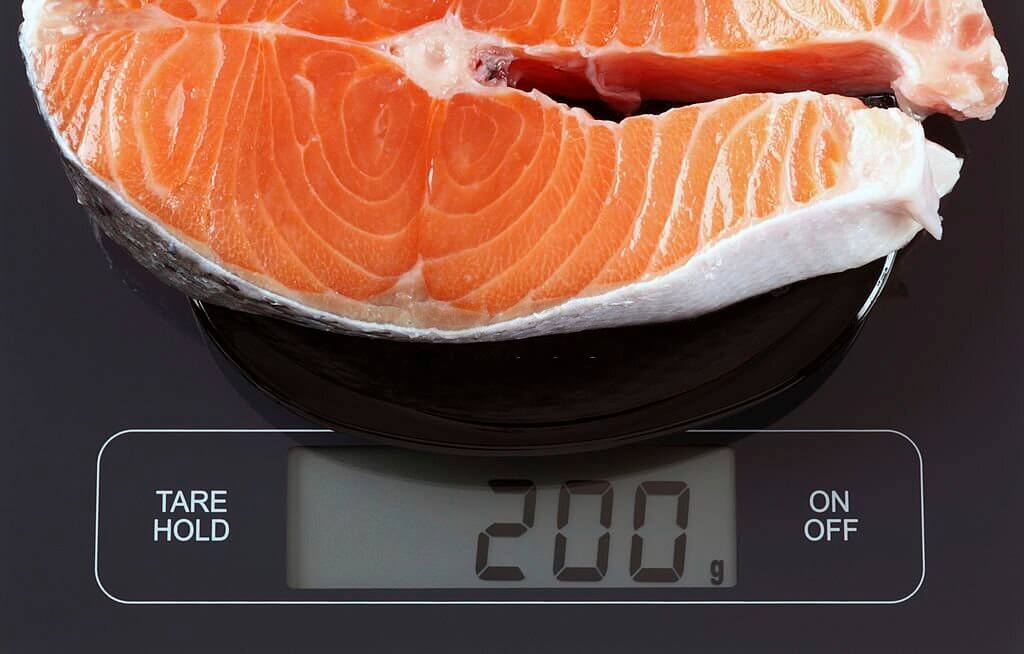
Cooking is an art that beautifully marries creativity with precision, but one fundamental aspect often remains shrouded in ambiguity: yield. Understanding the concept of yield in cooking is essential for both amateur chefs and seasoned culinary professionals alike. Yield refers to the quantity of food a recipe produces and can significantly influence meal planning and portion management. Delving deeper into this multifaceted term reveals a wealth of insights about recipe measurements. So, what exactly does yield mean in cooking, and why should it matter to you?
1. Defining Yield: A Culinary Nugget
Yield represents the total output of a recipe, typically denoted in servings, cups, or other measurable units. For example, a recipe for a pot of soup may have a yield of six bowls. This is more than just a number; it acts as a guidepost for those preparing a meal, dictating everything from ingredient quantities to cooking techniques. A clear understanding of yield helps ensure that chefs can serve their diners adequately without excessive wastage or shortages.
2. Types of Yield: A Spectrum of Possibilities
In the world of cooking, yield can be categorized into several distinctive types:
- Standard Yield: This is the most common type, simply indicating how many servings a recipe is designed to produce.
- Adjusted Yield: Sometimes, recipes need to be modified to suit a different number of servings. This involves scaling ingredient quantities up or down.
- EP (Edible Portion) Yield: This refers to the yield of the final dish after all preparation processes, like trimming and cooking, are accounted for. For instance, a full chicken may yield less meat after being cooked and deboned.
- AP (As Purchased) Yield: This is the quantity of ingredients in their raw form before any processing. Understanding the difference between AP and EP is crucial for accurate meal planning and cost calculations.
3. The Importance of Knowing Yield
The significance of yield transcends mere numbers. It lays the foundation for effective cooking practices, sustainability, and budget management. Accurate yields help in:
- Ensuring that the recipe aligns with the number of guests, reducing excess food waste.
- Encouraging prudent ingredient purchasing, where cooks can buy the right quantity without unnecessary surplus.
- Facilitating accurate meal prep and menu planning, which is especially critical in professional kitchens.
4. Measuring Yield: From Ingredient to Dish
Achieving the desired yield begins with precise measurement. It is paramount to be adept at both volume and weight measurements—two distinct yet interrelated concepts that play a vital role in determining yield. For dry ingredients, using a kitchen scale for weight measurement often leads to higher accuracy than volumetric cups. Conversely, liquids are typically measured in cups, pints, or liters.
When preparing a dish, consider not only the raw ingredients but also the cooking processes involved. Baking can result in varying yields due to moisture loss, while culinary techniques like braising or roasting may concentrate flavors but also alter the quantity produced. Engaging with this dynamic aspect can shift your perspective about how yields can be influenced.
5. Yield Calculations: A Practical Application
Calculating yield is a skill worth mastering. Suppose you find a recipe designed for four servings, but you’re cooking for ten. To find out the necessary ingredient quantities, start by dividing the desired yield by the original yield: 10 ÷ 4 = 2.5. Every ingredient should then be multiplied by 2.5 to tailor the recipe for your needs. Conversely, if you have excess food left over, consider how adjustments could affect the output in the future.
6. Common Misconceptions about Yield
Many home cooks operate under the misconception that yield is static; however, numerous elements can affect it. Ingredient quality, food loss during preparation, and even cooking technique can skew the final yield. Recognizing that yields can fluctuate encourages an adaptable and experimental cooking attitude, leading to more gratifying culinary results.
7. Yield and Plate Presentation: An Art Form
The role of yield extends beyond mere measurement; it pivots into the realm of aesthetics as well. An understanding of how much food to plate per serving can elevate a dish’s visual appeal, ensuring an enticing presentation. Culinary artists often focus on portion sizes and arrangement to create stunning plates, reflecting not only the quantity but also the quality of the dining experience.
8. Conclusion: The Culinary Road Ahead
The concept of yield in cooking influences every facet of the culinary spectrum, from ingredient procurement to serving and presentation. By embracing the nuances of yield, chefs can refine their approaches, optimize resources, and create a sustainable and enjoyable cooking experience. The next time you embark on a culinary adventure, let yield guide your way. The promise of satisfying meals and an appreciative audience awaits those who take the time to understand and apply the intricate world of recipe measurements.












