
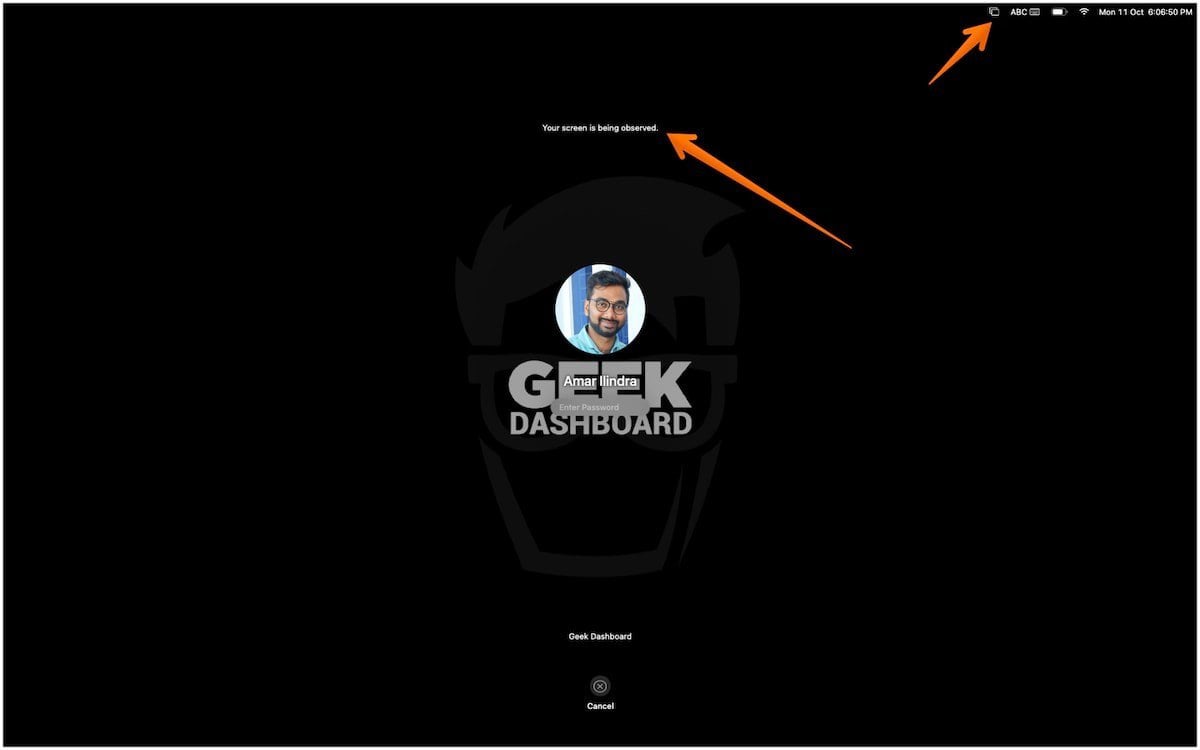
In today’s hyper-connected world, it is not uncommon to encounter the phrase, “Your screen is being observed,” often accompanied by an ominous security alert. The mere mention of surveillance can ignite a flurry of reactions ranging from paranoia to concern for one’s digital privacy. But what does this phrase truly signify? Is it a mere glitch in your software, or does it hint at something far more insidious? This article endeavors to unpack the layers of meaning behind this phrase and offer insights into the implications of such alerts.
The Digital Landscape of Surveillance
To comprehend the implications of the warning “Your screen is being observed,” one must first appreciate the context of surveillance in the digital age. The internet has become an intricate web of data exchange, hosting a plethora of activities ranging from social media interactions to online banking. As a result, the protection of personal information has become paramount, and many individuals are increasingly aware of cybersecurity measures.
Indeed, the rise of targeted advertising and personalized content has galvanized users to be vigilant about their online presence. Whether through cookies, tracking pixels, or embedded software, companies often collect data on users while they navigate the digital realm. This constant monitoring has given rise to a pervasive anxiety about who is watching and what information they are privy to.
What Triggers the Alert?
When you encounter an alert stating “Your screen is being observed,” several potential triggers may be responsible for its emergence. One common cause is the use of surveillance software, often installed by educational institutions or employers to monitor screen activity. Typically, these programs are employed to ensure productivity and security within organizations. While they may serve a legitimate purpose, they also raise ethical questions regarding privacy.
In addition to authorized monitoring, the proliferation of malware poses a significant threat to individual privacy. Malware can be designed to capture screen activity, logging keystrokes and siphoning personal information without the user’s consent. Such invasions can lead to identity theft, financial loss, or other malicious outcomes. Recognizing the signs of such infections is crucial in mitigating their impact.
The Duality of Surveillance
Surveillance, in its many forms, can be characterized by a duality of perception. On one hand, the monitoring by legitimate entities (corporations, institutions, and even government agencies) can be viewed as a necessary safeguard against threats. On the other hand, the prospect of unauthorized surveillance evokes a profound sense of vulnerability. This duality often culminates in an internal conflict: the desire for security juxtaposed against the desire for privacy.
Furthermore, the ethical implications surrounding surveillance invite deeper contemplation. How much monitoring is acceptable? What measures are in place to protect users from unauthorized observation? Questions like these linger in the air as the technological landscape continues to advance at an unprecedented rate.
Best Practices for Securing Your Screen
In light of potential threats associated with screen observation, it becomes imperative for individuals to adopt proactive measures aimed at safeguarding their digital lives. Below are several best practices to fortify your cybersecurity:
- Regular Software Updates: Keeping your operating system and applications up to date can protect against vulnerabilities that may be exploited by malicious actors.
- Utilize Strong Passwords: Create complex passwords and consider the use of a password manager to help manage your credentials securely.
- Employ Antivirus Protection: Utilize reputable antivirus software to detect and eliminate potential threats before they can cause harm.
- Monitor App Permissions: Scrutinize app permissions to ensure that applications do not have access to sensitive data unnecessarily.
- Educate Yourself: Engage with resources that enhance your understanding of cybersecurity and potential risks, enabling you to make informed decisions.
The Psychological Impact of Surveillance Awareness
The constant awareness of being monitored can engender psychological effects that extend beyond mere anxiety. A phenomenon known as “surveillance capitalism” has emerged, where individuals subconsciously alter their behaviors due to the knowledge that they are being watched. This can impact authentic self-expression and stifle creativity as users temper their actions to align with perceived societal norms.
Moreover, the omnipresence of surveillance can foster a culture of distrust, where individuals are less inclined to share personal information or engage openly in digital spaces. This pivot towards guardedness fosters a fragmented online community, inhibiting genuine interactions.
Conclusion: Navigating the Complexities of Surveillance
As we traverse the digital landscape, understanding the nuances of alerts like “Your screen is being observed” is essential for maintaining a balance between security and privacy. The implications of surveillance are far-reaching, influencing our behaviors, interactions, and even our mental well-being. By staying informed and adopting robust cybersecurity practices, individuals can fortify their digital presence against unauthorized observation while striking a delicate balance between safety and autonomy. As technology continues to evolve, so too must our understanding and response to surveillance in all its forms.












