
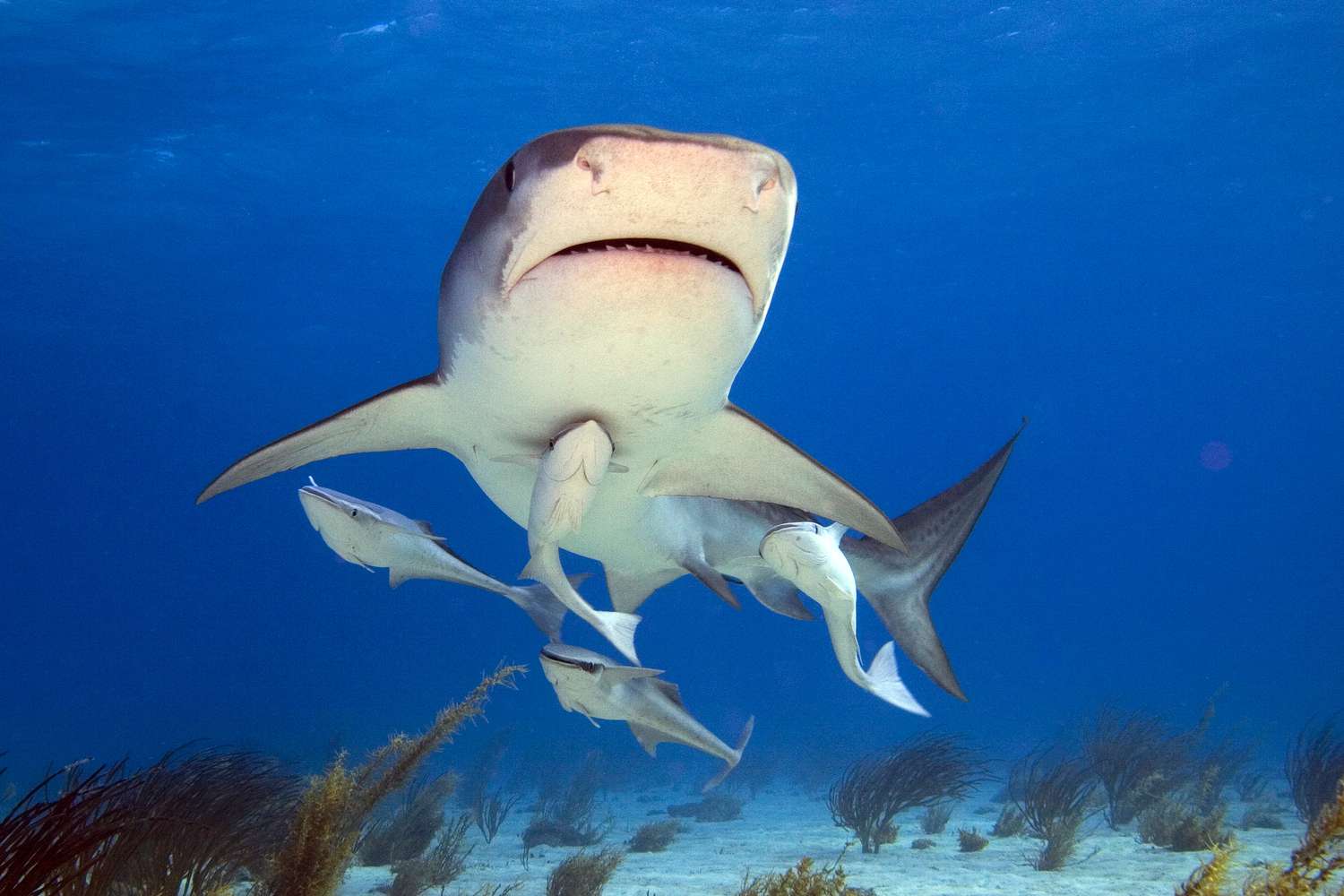
Commensalism is one of the three primary symbiotic relationships that govern interactions within ecosystems. This fascinating ecological concept has profound implications for understanding biodiversity and the intricate tapestry of life on our planet. Unlike mutualism, where both species reap benefits, or parasitism, where one organism thrives at the expense of another, in commensalism, one species benefits while the other remains generally unaffected. To illuminate this captivating relationship, let’s delve into compelling examples and their significance.
Imagine a sunny day in a lush rain forest. Among the vibrant foliage, you might spot a majestic tree, towering over the smaller plants and animals in its vicinity. This tree is more than just wood and leaves; it serves as a haven for numerous creatures. Birds, such as the enchanting nest-building species, find refuge and nesting sites in its robust branches. The tree, steadfast and enduring, remains unharmed by these aerial architects. This quintessential example of commensalism demonstrates how one organism can thrive splendidly without detrimentally impacting another.
Another compelling instance of commensalism occurs in the underwater world. Consider barnacles, small crustaceans that often attach themselves to the hard shells of marine turtles. As the turtle glides through the turquoise waters, the barnacles benefit significantly. They gain access to nutrient-rich waters while traveling alongside their host, which facilitates their exposure to various feeding opportunities. However, the turtle feels no physiologic ramifications from this arrangement. By simply hosting these barnacles, the turtle unwittingly participates in a complex dance of ecological interdependence.
Delving deeper into the broader implications of commensalism, we find that these relationships are not merely trivial matters of convenience for the organisms involved, but they also play pivotal roles in maintaining ecological balance. For instance, epiphytic plants, which grow on the surface of other plants, exemplify a fascinating form of commensalism. These plants derive moisture and nutrients from the air and debris that accumulates on their host without extracting any resources directly from them. In doing so, they contribute to the host’s environment by creating microhabitats that facilitate increased biodiversity. This phenomenon ultimately underscores nature’s interconnectedness, as the survival and health of one organism can inadvertently bolster the welfare of others.
Moreover, commensalism often serves as an ecological strategy for survival. In environments where resources are sparse, organisms that exhibit commensalistic behaviors can thrive despite limited competition. The relationship provides a unique survival advantage, helping those organisms to persist in their ecological niches. For instance, certain orchids are known to thrive on the bark of trees, gaining access to sunlight and air without harming the tree. This advantageous positioning fosters an interesting dynamic: while the tree continues its unyielding ascent toward the canopy, the orchid flourishes in its shadow, unencumbered by competition for soil nutrients.
If we shift our perspective towards the urban ecosystem, we can witness commensalism in action on an even broader scale. Pigeons and other birds nesting in urban structures illustrate how organisms adapt to man-made environments. These birds benefit from the availability of ledges and alcoves, which serve as ideal nesting sites. While you may argue that these birds pose challenges such as droppings on buildings, the reality is that their presence can signify a thriving urban ecosystem — a symbiotic dance between urban development and wildlife adaptation.
Yet, the intricacies of commensalism extend beyond mere survival strategies. The relationship has significant implications for conservation efforts. By recognizing the importance of commensal species, conservation strategies can become more sophisticated and nuanced. For example, protecting keystone species — those organisms that play critical roles within an ecosystem — indirectly benefits an array of commensal partners, thus promoting broader biodiversity. This ripple effect, wherein the survival and flourishing of one species promotes the health of others, is essential in fostering resilience within ecosystems.
As we immerse ourselves in the rich tapestry of commensal relationships, it becomes abundantly clear that these interactions prompt a shift in our perspective on nature. We come to realize that life is an intricately woven fabric of interdependence. Each thread, each organism, contributes to the stability and sustainability of the whole. In contemplating how seemingly insignificant creatures like barnacles and epiphytic plants play crucial roles in their ecosystems, we learn to appreciate the complexity and elegance of nature’s designs.
In conclusion, commensalism is a captivating aspect of ecological relationships that invites curiosity and introspection. It evokes a sense of wonder as we explore how one organism can flourish alongside another without harm. From the birds nestled in tree branches to the barnacles hitching a ride on turtles, these interactions emphasize the seamless interconnectedness that defines life itself. Understanding commensalism not only broadens our comprehension of ecological dynamics but also inspires a deeper reverence for the delicate balances at play in the world around us. Such knowledge fosters a commitment to protecting the intricate web of life that sustains us all.













