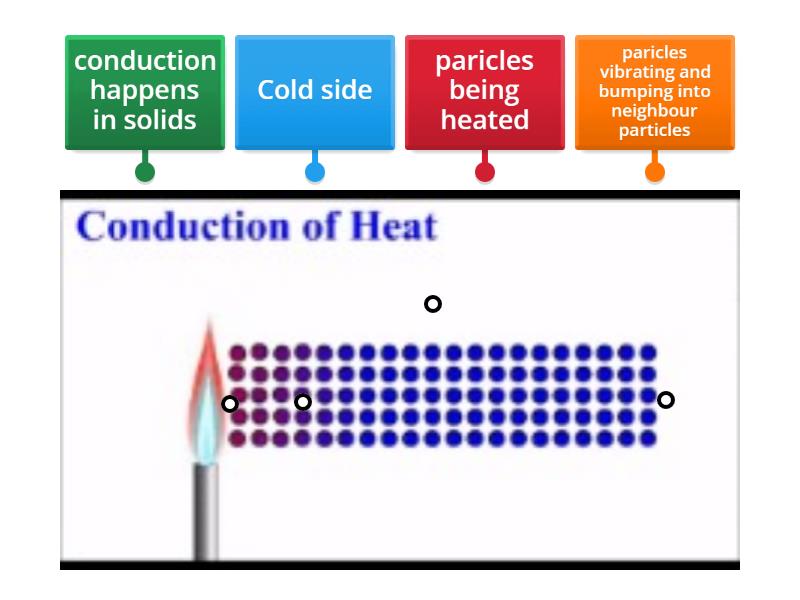
Conduction is a fascinating phenomenon that occurs in various contexts within the realms of physics and everyday life. At its core, conduction is the process through which heat energy is transferred from one object to another, facilitated through direct contact. To better comprehend this scientific principle, it proves beneficial to examine a quintessential example of conduction: the warming of a metal spoon when placed in a hot bowl of soup. This example not only illustrates the mechanics of conduction but also invites a deeper exploration of heat transfer mechanisms.
The mechanics behind conduction involve the microscopic interactions of particles within the materials. When a metal spoon is immersed in hot soup, the molecules within the soup vibrate rapidly due to the heat energy they possess. These energetically agitated molecules collide with the atoms of the spoon. Given that metal is an excellent conductor of heat, the energy from the hot soup is rapidly transferred to the spoon, causing its temperature to rise. This transfer of thermal energy occurs without the movement of matter, exemplifying the essence of conduction as a heat transfer method.
As we delve deeper, it is essential to understand the parameters that govern conduction. The process is influenced by several factors, including the nature of the materials involved, their temperature difference, and the surface area in contact. For instance, metals like copper and aluminum conduct heat more efficiently than other materials, such as wood or rubber. This is attributed to their atomic structure, which allows for free-moving electrons that facilitate swift energy transfer. Conversely, insulators, such as plastic or glass, impede conduction due to their tightly bound electrons.
Beyond the spoon and soup scenario, conduction is prevalent in various real-world applications. Consider the design of cooking pots. Manufacturers often utilize materials like stainless steel, which conducts heat effectively, ensuring that food is cooked evenly. This innovation not only enhances culinary experiences but also sheds light on the intricate relationship between cooking methods and heat transfer. In comparison, ceramic cookware, though aesthetically pleasing, may not provide the same level of heat conductivity, prompting chefs to select their tools with efficiency in mind.
Furthermore, the significance of conduction extends into the realm of electronics. Heat dissipation in devices such as smartphones and computers illustrates the importance of managing thermal energy. Electrical components generate heat during operation, and conduction is employed to transfer this heat to heatsinks or other cooling mechanisms. Engineers meticulously design these systems to ensure minimal overheating, thereby prolonging the lifespan of devices. In this context, the principle of conduction intersects with technology, showcasing its relevance in advancing modern innovation.
As we consider the broader implications of conduction, one encounters the natural world, where this phenomenon plays a critical role. For example, the process of conduction can be observed when you walk barefoot on hot sand during summer. The sand, having absorbed sunlight, transfers its heat directly to your skin as you step onto it. This realization may pique curiosity about how heat affects our everyday interactions with our environment and the significance of thermal properties in nature.
Moreover, conduction can be observed in biological systems. Take, for instance, the adaptation of various animals that thrive in extreme temperatures. Reptiles often exhibit behaviors to regulate their body heat through conduction by basking in the sun on warm rocks. This interaction highlights not only the survival tactics of wildlife but also suggests that conduction is integral to thermoregulation in the animal kingdom. Such examples captivate our attention, as they uncover the intricate balances maintained by living organisms in their respective habitats.
In the context of environmental science, conduction also presents poignant insights into energy efficiency and sustainability. Insulation materials, which capitalize on the principles of conduction, are essential in building designs meant to conserve energy. For instance, during the winter months, effective insulation minimizes the loss of heat from buildings, reducing the need for excessive heating. Conversely, in hotter climates, reflective materials can help maintain cooler indoor temperatures. The adoption of these practices signifies a collective shift towards sustainability, demonstrating that understanding conduction leads to tangible benefits for our planet.
Ultimately, the exploration of conduction offers a multitude of perspectives. From culinary endeavors to industrial applications and environmental considerations, the principles of heat transfer permeate our lives on both macro and micro scales. By unraveling the mechanics of conduction, we unlock a deeper understanding of energy exchanges and their implications for technology, nature, and society.
In conclusion, examining the example of a metal spoon immersed in hot soup serves as a catalyst for appreciating the broader scope of conduction. This phenomenon drives curiosity, urging us to investigate how heat interacts with materials, affects functionality, and influences our environment. As we ponder the everyday examples of conduction, we are reminded of the intricate web connecting science, life, and the universe itself.