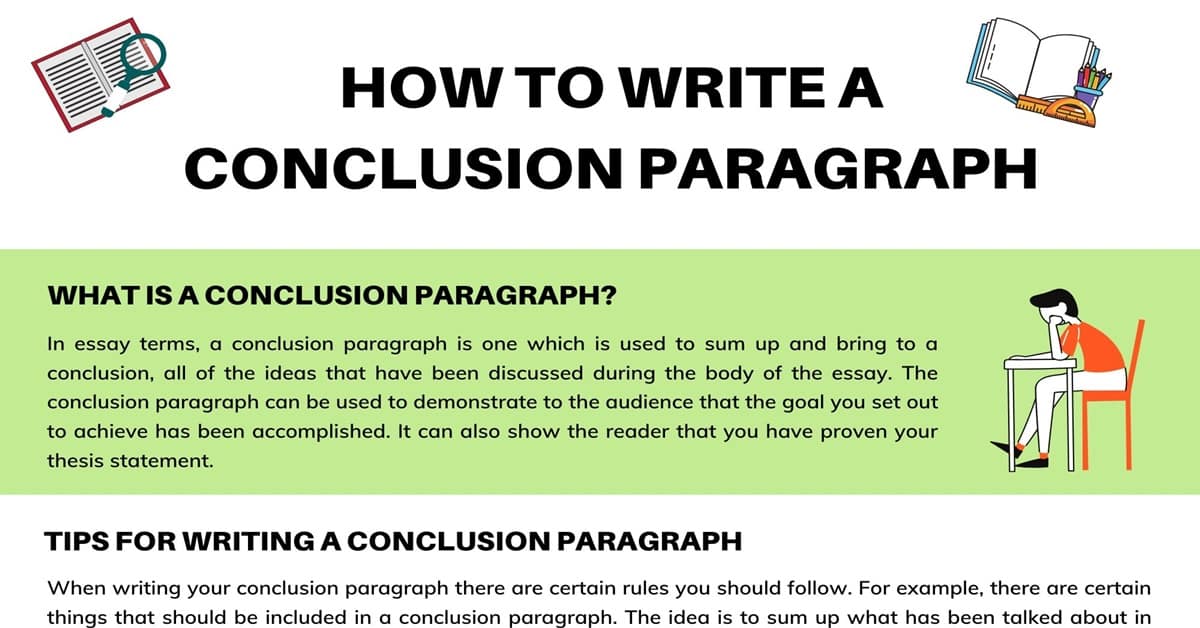
Headlines are the vanguard of any written content, serving as the critical bridge that entices readers to delve deeper into the body of a piece. A well-crafted headline acts much like a siren’s call, luring in passersby with their melodic pitch and tantalizing promises. This article will explore the intricate tapestry of what makes a headline not just a mere title, but an art form in its own right—an embodiment of clarity, creativity, and compactness.
The first and foremost function of a headline is to grab attention. It’s akin to the entrance of a grand theater, beckoning an audience to witness a performance that lies just beyond the curtain. Consider the headlines that stay imprinted in the mind long after reading: phrases such as “The Secrets of the Ancient World” or “How to Transform Your Life in 30 Days.” These words are not just indicators but rather catalysts of curiosity. They promise something intriguing, a journey into the unknown, and this imperative allure sets the stage for what follows.
This brings us to the metaphor of a headline as a hook. In the vast ocean of written content, a headline hooks the reader like a fisherman’s lure draws in its catch. The uniqueness of a headline often lies in its ability to encapsulate the essence of the article while evoking a sense of urgency or intrigue. Something as simple as “Unlock the Mysteries of Your DNA” suggests there is a deeper understanding waiting to be unveiled. It beckons the reader closer, fostering a connection that compels them to reel in the full article.
Yet, the art of headline creation requires an acute awareness of language and its emotional triggers. Using evocative adjectives and evocative verbs can elevate a headline from mundane to magnificent. For instance, “Discover the Astonishing Secrets of the Universe” not only informs but energizes. This approach unfolds another layer of appeal, transforming the headline into a promise; the reader is not merely informed, they are invited to embark on a transformational expedition.
In the realm of various genres—be it journalism, blogging, or copywriting—the style of a headline may vary to suit its audience. This adaptability is what distinguishes a headline as an art form. For instance, in a news setting, one might find headlines that are crisp and declarative: “New Study Reveals Shocking Facts About Ocean Pollution.” This succinctness serves to communicate urgency and importance quickly, ensuring the reader feels the weight of the information presented. Alternatively, in lifestyle blogs or personal development pieces, a softer, more narrative-driven headline works well: “Embrace Change: The Journey of Self-Discovery Awaits.” Here, the goal is to resonate emotionally, creating an intimate connection with the reader.
An intriguing aspect of headlines is their ability to employ playfully ambiguous language. For example, “Are You Making These Common Mistakes in Eating Healthy?” invites readers to probe further into their own habits with a mix of curiosity and self-reflection. This creates a conversational tone, where the headline serves not just as a title but a dialogue starter, encouraging a personal interaction with the content.
The psychological underpinnings of headlines can be fascinating. Research suggests that humans are inherently wired to respond to novelty and surprise. A headline that introduces an unexpected twist can drastically enhance engagement levels. For example, “10 Things You Didn’t Know About Sleep That Will Change Your Life” taps into the reader’s innate desire for knowledge and unexpected insights. It promises revelations that could fundamentally alter perceived norms regarding rest, pushing the boundaries of common understanding.
Furthermore, the mechanics of SEO (Search Engine Optimization) must not be overlooked. A headline infused with pertinent keywords can captivate both readers and search engines. Yet, this necessity need not compromise creativity. Striking a balance between being informative and captivating ensures that a headline serves a dual purpose: to attract clicks while delivering intrinsic value.
Moreover, the visual aspect of headlines cannot be dismissed. Bold typography and striking design elements augment the allure, making them more visually appealing and easier to digest. Coupling this with compelling imagery creates an immersive introduction to the content, serving as a visual thesis statement that entices and engages.
As we traverse the landscape of effective headline crafting, the importance of authenticity emerges. In a digital world oversaturated with fleeting content, a genuine headline stands out. It resonates with readers who crave honesty and transparency, cutting through the noise and emotionally connecting—one of the most potent components of persuasion.
In summary, creating the perfect headline is akin to composing a work of art—a delicate balancing act of creativity, emotion, and psychological insight, wrapped up in a phrase that is sometimes a mere handful of words long. It serves multiple roles: a hook, a beacon of clarity, and a gateway into deeper narratives. Each headline has the potential to shape perceptions, ignite passions, and cultivate relationships between the content and its audience.
Ultimately, an effective headline heralds not just what is to come, but also encapsulates the spirit of the content it introduces. By drawing on a rich palette of language, emotion, and visual flair, headlines can elevate otherwise ordinary prose into a captivating adventure that readers are eager to embark upon.