
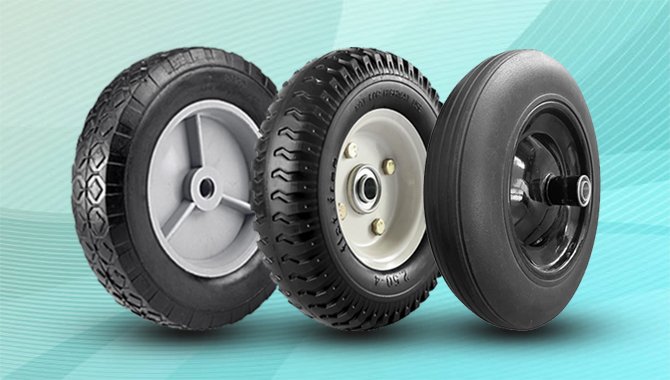
When it comes to the mechanics of transportation and machinery, the term “solid wheel” often surfaces, inviting curiosity and prompting deeper exploration. So, what does the term entail? Solid wheels are an embodiment of engineering ingenuity, merging simplicity with functionality. In this article, we will delve into the nuances of solid wheels, unpack their design, applications, advantages, and the engineering principles that underscore their popularity.
The Definition of Solid Wheel
A solid wheel is a circular component manufactured as a single piece without any spokes or hollow sections. Unlike traditional wheels, which consist of a rim and spokes, solid wheels present an unbroken surface. This design offers unique benefits that cater to specific applications.
Historical Context
The solid wheel is not a novel invention. Its origins trace back to the earliest days of civilization when humans relied on simple tools for transportation. From wooden discs used in carts to robust rubber versions we see today, solid wheels have evolved yet consistently delivered the same fundamental purpose: to facilitate movement. Their resilience and strength have rendered them staples in various industries.
Engineering Design and Materials
At the core of a solid wheel’s functionality is its design and the materials selected for its construction. Engineers choose materials based on the intended application. Common choices include plastic, rubber, and metals like steel or aluminum. Each material offers varying degrees of durability, flexibility, and weight. For instance, rubber wheels excel in shock absorption, making them ideal for uneven surfaces, while metal wheels demonstrate exceptional load-bearing capabilities, indispensable in industrial contexts.
Applications and Uses
The versatility of solid wheels is evident in their diverse applications across multiple sectors. In the industrial realm, they are prevalent in manufacturing environments where heavy machinery and equipment require reliable support. Forklifts, hand trucks, and dollies predominantly utilize solid wheels due to their ability to withstand substantial loads. Furthermore, they are increasingly popular in outdoor applications, such as lawn mowers or garden carts, where mobility, stability, and durability are paramount.
In the realm of consumer goods, solid wheels are often found in products like luggage and office chairs. The convenience they offer—smooth rolling motion without the risk of punctures—has made them a favorite choice among manufacturers and consumers alike.
Advantages of Solid Wheels
While various wheel types exist, solid wheels boast specific advantages that make them indispensable across numerous applications. Here are some key benefits:
- Durability: Being devoid of spokes or hollow sections renders solid wheels less prone to damage. Unlike pneumatic wheels that can face punctures, solid wheels maintain their integrity over time.
- Maintenance-Free: Solid wheels generally require minimal maintenance. Their robust nature means that they don’t require air pressure checks or tire rotations, making them low-maintenance assets.
- Uniform Load Distribution: The solid design provides even weight distribution across the wheel, enhancing stability and reducing wear. This uniformity is essential in environments where heavy loads are maneuvered regularly.
- Simplicity in Design: The lack of complex components means easier manufacturing and potentially lower costs. For manufacturers, this simplicity translates into efficient production processes.
Challenges and Limitations
Despite their commendable traits, solid wheels are not without their limitations. One notable drawback is their reduced shock absorption compared to pneumatic wheels. While they excel on flat surfaces, they may struggle on uneven terrain, leading to an uncomfortable ride. Additionally, the heavier weight often associated with solid wheels can be a disadvantage in applications where weight and maneuverability are critical.
The Engineering Behind Solid Wheels
Understanding solid wheels requires an appreciation for the engineering principles that govern their design and functionality. Two critical factors are:
- Material Science: The selection of materials impacts the performance and longevity of solid wheels. Engineers analyze stress, strain, and fatigue to ensure the selected material can withstand operational demands without causing failures.
- Load Calculations: Proper load calculation ensures that wheels can bear expected weights safely. Engineers must consider the dynamic forces at play, which may vary based on speed and terrain.
Fascination with Solid Wheels
The intrigue surrounding solid wheels lies not just in their function but also in their embodiment of human innovation. They reflect the ongoing quest for efficiency in motion. Observers often marvel at how this seemingly simple design continues to meet the complex demands of modern industries. Each rotation of a solid wheel encapsulates a story of engineering skill, resourcefulness, and adaptability.
Emerging Innovations
As technology advances, the evolution of solid wheels continues to unfold. Innovations in materials science, such as the development of composite materials, promise to enhance the strength-to-weight ratio significantly. Some manufacturers are even exploring customizable solid wheels, allowing for unique formulations tailored to specific industry needs.
Conclusion
Solid wheels represent a blend of fundamental engineering principles and sophisticated design. They illustrate a remarkable journey from ancient transport methods to cutting-edge applications in modern industry. Whether in a factory, on a storefront’s loading dock, or navigating the picturesque paths of a garden, solid wheels play a pivotal role. Their design caters to the demands of industrial giants and everyday consumers alike, ensuring that their legacy will continue to roll forward into the future.












