
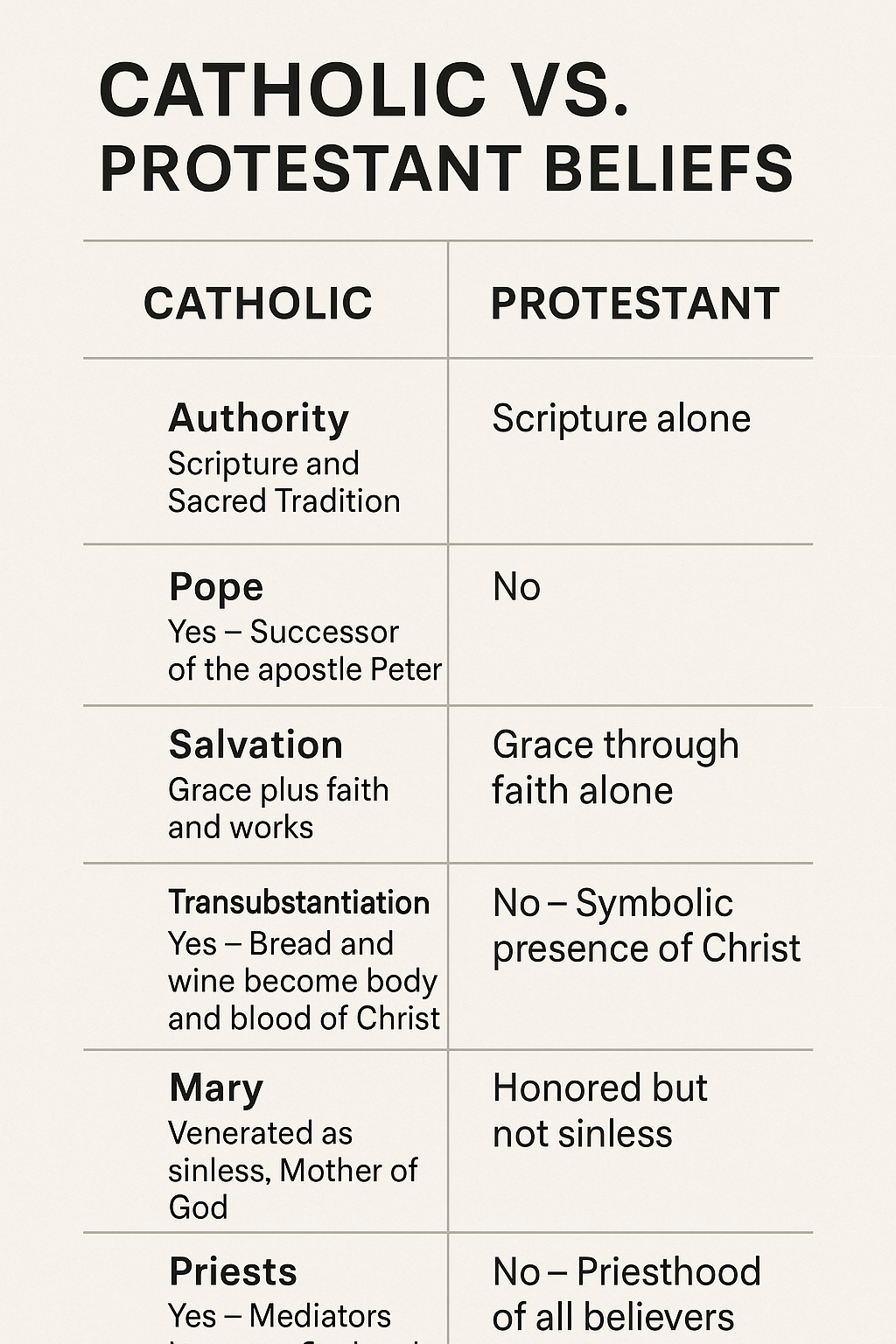
Protestantism, a branch of Christianity that emerged during the Reformation in the 16th century, continues to evoke intrigue and discussion within both religious and secular realms. With its diverse sects, theological variations, and rich historical narrative, understanding what it means to be Protestant is essential for grasping its influence on contemporary society. This exploration delves into the fundamental beliefs, identity markers, and cultural imprints that define Protestantism.
Historical Context: The Birth of a Movement
The Protestant Reformation marks a pivotal juncture in European history. Spearheaded by figures such as Martin Luther and John Calvin, it sought to challenge the entrenched doctrines and practices of the Catholic Church. Central to this movement was the insistence on salvific grace through faith alone, a doctrine that reshaped the religious landscape. The movement burgeoned into a multitude of denominations, each interpreting core Christian tenets through varying theological lenses.
Core Beliefs: The Pillars of Protestantism
At its essence, Protestantism is built upon five foundational principles, often referred to as the “Five Solas.” These principles encapsulate the theological tenets that Protestants traditionally hold dear:
- Sola Scriptura: The belief in Scripture alone as the ultimate authority in matters of faith and practice. This tenet emphasizes the personal relationship between believers and the Bible.
- Sola Fide: Justification by faith alone is a bedrock concept, asserting that individuals are made right with God solely through faith, not by works.
- Sola Gratia: Salvation is seen as a gift of God’s grace, an unmerited favor that cannot be earned through human efforts.
- Solus Christus: Christ alone is the mediator between God and humanity, underscoring the centrality of Jesus in the salvation narrative.
- Soli Deo Gloria: Ultimately, all glory belongs to God, which encourages worship and service that reflect His sovereignty.
These core beliefs articulate the theological heart of Protestantism, establishing a counter-narrative to Catholic doctrines while fostering a unique Protestant identity that thrives on individual interpretation and community engagement.
Diverse Denominations: A Rich Tapestry
With the proliferation of Protestantism, a variety of denominations have crystallized, each encapsulating different traditions, practices, and interpretations of Scripture. Major branches include:
- Lutheranism: Rooted in the teachings of Martin Luther, it emphasizes justification by faith and the sacraments of baptism and communion.
- Calvinism: Founded by John Calvin, this branch is characterized by the belief in predestination and the sovereignty of God in all aspects of life.
- Anglicanism: A middle path between Protestantism and Catholicism, it embraces a liturgical tradition while emphasizing Scripture and reason.
- Baptist: Known for its stance on baptism by immersion and congregational governance, Baptists advocate for religious liberty and individual faith.
- Methodism: Founded by John Wesley, it emphasizes social justice, personal holiness, and a methodical approach to spiritual growth.
This diversity contributes to a vibrant mosaic of beliefs and practices throughout the world, allowing Protestants to engage with their faith in myriad ways.
Identity and Community: The Protestant Experience
Being Protestant extends beyond theological affirmations; it encompasses a shared identity forged through communal practices, worship, and fellowship. Many Protestants find significant meaning in regular church attendance, where sermons, hymns, and communal prayer converge to create a profound spiritual experience.
Additionally, the concept of the “priesthood of all believers” empowers members to participate actively in their faith communities. This democratic approach to spirituality fosters a sense of belonging and purpose, enabling individuals to contribute uniquely to the life of the church.
Cultural Impact: Shaping Society and Values
Throughout history, Protestantism has played a crucial role in shaping societal values and norms. Its emphasis on literacy and personal interpretation of the Scriptures spurred educational movements, leading to the establishment of schools and universities. This intellectual pursuit encouraged critical thinking and laid the groundwork for modern democratic principles.
Moreover, Protestant reformers often championed social justice, advocating for the marginalized and oppressed. Their commitment to charity and community service catalyzed movements on issues such as abolition, civil rights, and healthcare. As a result, Protestantism has left an indelible mark on social progress and moral discourse across cultures.
Challenges and Controversies: Navigating the Modern Landscape
As Protestants grapple with these challenges, the core tenets of their faith serve both as a foundation and a lens through which to explore new realities. The fluidity within Protestant identity speaks to the overarching theme of adaptation and resilience while remaining anchored in rich historical traditions.
Conclusion: The Ongoing Journey
To be Protestant is to participate in an evolving faith journey marked by rich theological nuances, diverse communities, and a relentless pursuit of truth. Distinct yet unified in foundational beliefs, Protestants navigate a tapestry of challenges and opportunities that continue to shape their identity. As this branch of Christianity moves forward, it will undoubtedly continue to ignite dialogue and influence not only individual lives but also the cultural and societal landscapes in which it exists.












