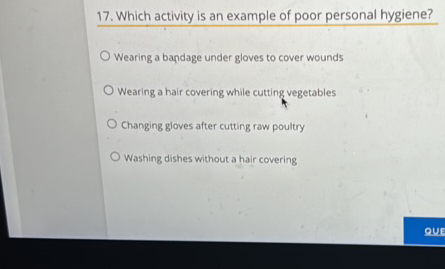
Personal hygiene is an integral facet of daily life, interlacing with our physical health, emotional well-being, and social interactions. Underestimating its importance can lead to an array of discomforts and perhaps even chronic health issues. To elucidate the stark contrast between commendable and deficient hygiene practices, this discussion will explore specific activities that epitomize poor personal hygiene. Prepare for a compelling journey into the often-overlooked aspects of our daily routines.
Firstly, let us delve into the quintessential activity of handwashing—or the lamentable lack thereof. Handwashing is a seemingly trivial chore, yet it serves as a frontline defense against pathogens that thrive in our environment. Neglecting this habit, especially after using the restroom or before handling food, constitutes a perilous lapse in hygiene. The transmission of viruses and bacteria can unfurl in the most innocuous of settings. Imagine a world where individuals dismiss this simple practice: the ramifications on public health would be nothing short of catastrophic. Thus, the neglect of hand hygiene stands as a primary example of poor personal hygiene.
Next, we must scrutinize oral hygiene, an arena rife with misconceptions and missteps. The act of brushing teeth twice a day is a normative standard; however, many falter in executing this essential routine or, worse, neglect its necessity altogether. Failing to remove plaque and food debris precipitates a cascade of dental issues, from cavities to more severe periodontal diseases. The discomfort and embarrassment stemming from bad breath can also undermine one’s social interactions. In this light, neglecting oral hygiene proliferates insecurities and health complications, making it a definitive hallmark of poor personal hygiene.
Let us now turn our attention to the frequently debated topic of showering frequency. Cultural beliefs and personal preferences can lead to divergent practices worldwide. However, inadequate bathing can lead to a buildup of sweat, dirt, and skin cells, creating an ideal environment for bacteria to flourish. The resulting body odor acts as a social cue, often alienating individuals and revealing a lack of attentiveness to basic hygiene standards. The question emerges: how frequently should one bathe? While there is no one-size-fits-all answer, a prudent approach would be to assess individual activity levels and environmental factors. Nonetheless, a lack of regular bathing undeniably illustrates poor personal hygiene.
Equally notable in this discussion is the grooming of nails. Maintaining neat and clean nails extends beyond aesthetic appeal; it is pivotal in curbing the spread of germs. When nails are left unkempt, they can harbor debris and bacteria, which may inadvertently find their way to the mouth or food. This unawareness can instigate numerous health concerns, particularly in communal settings. Thus, neglecting nail care is not merely a cosmetic failing; it is a resounding example of poor hygiene that underscores an individual’s broader approach to personal care.
Additionally, let us examine the habit of wearing unwashed clothing. Garments harbor sweat, skin oil, and environmental pollutants, and failing to launder them regularly may lead to skin irritations and health risks. Each time we wear a piece of clothing, especially close-fitting items like undergarments, we must consider the implications of our choices. The allure of a leisurely lifestyle may tempt some to stretch the wear of their favorite shirt over several days, but in doing so, they invite the proliferation of bacteria and fungi, jeopardizing both skin health and social standing. This neglect serves as a potent illustration of poor personal hygiene.
Furthermore, let us not overlook the propensity for poor hygiene when it comes to personal items. Items such as makeup brushes, hair tools, and even cell phones can be breeding grounds for microbes if not cleaned regularly. Sharing personal items compounds these risks tremendously, as pathogens can easily transfer from one individual to another. The dismissiveness towards cleaning such items not only affects the user’s health but can also jeopardize the well-being of those around them, ultimately leading to widespread consequences. The negligence surrounding these personal items starkly exemplifies poor hygiene practices.
Another often-ignored element in the realm of personal hygiene is the significance of foot care. Feet are frequently confined in shoes for prolonged periods, resulting in sweat accumulation and an inviting atmosphere for fungal infections, such as athlete’s foot. Disregarding foot hygiene can lead to unpleasant odors and physical ailments, hampering one’s capacity to engage socially. A solid regimen that includes washing, drying, and occasionally allowing feet to breathe can reverse adverse effects. Hence, neglect in this area poignantly reflects a broader failure in personal hygiene.
As we contemplate the spectrum of personal hygiene, it becomes evident that the consequences of neglecting any of these activities are profound and far-reaching. Poor hygiene is not merely an inconvenience; it is an affront to personal wellness and societal health. The activities examined serve as paramount illustrations, urging individuals to reassess their habits and embrace the nuances of personal care. Cultivating an awareness of these practices promises a transformative shift in perspective, enabling us to not only elevate our health but also improve our communal interactions and social experiences.
Ultimately, it is essential to recognize that personal hygiene is not simply a mundane checklist of tasks but a vital component of a well-rounded life. The diligence invested in maintaining one’s hygiene generates layers of benefits that extend far beyond the individual, nourishing the collective health of communities and fostering a culture of care and respect. Through awareness and mindful practice, we can champion personal hygiene and its profound impact. Let’s not merely exist; let’s thrive through conscientious care.