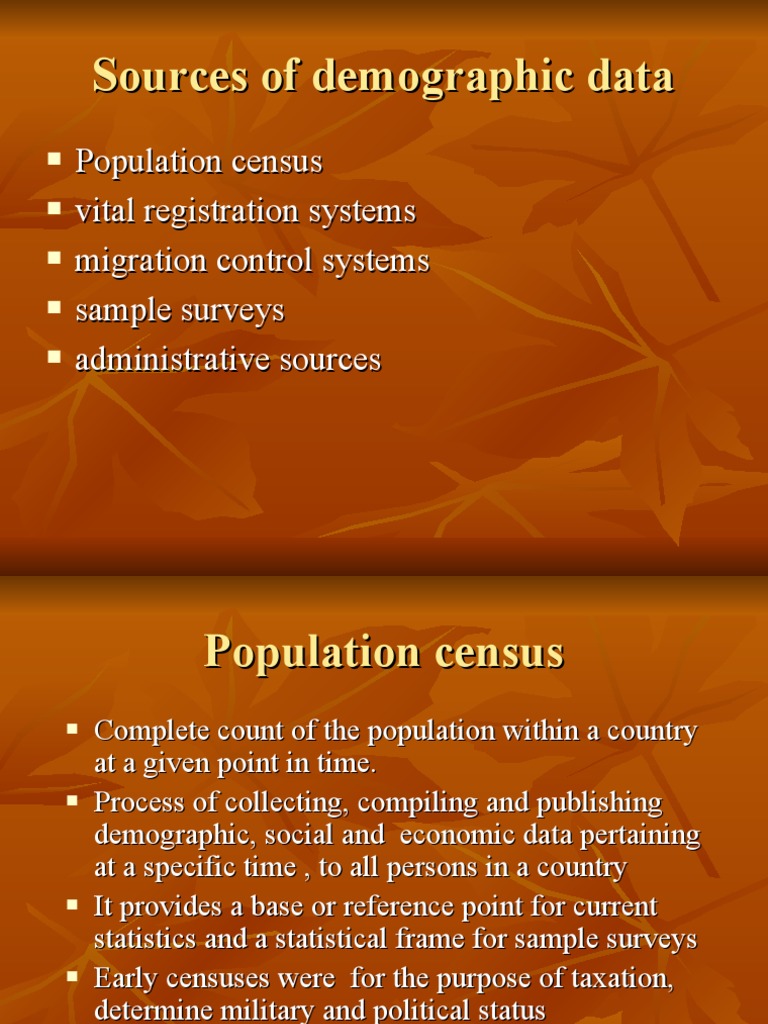
Censuses are systematic and comprehensive headcounts designed to gather demographic and socioeconomic information about a population. They serve as fundamental instruments for understanding the fabric of societies, shaping policy decisions, and allocating resources effectively. This article delves into various types of censuses, elucidating their distinct features and the comprehensive insight they provide. By examining different examples of censuses, we can appreciate the diversity of methodologies employed in gathering data across different contexts.
To begin with, a national census is the most prominent and widely known form of census. Conducted every ten years in many countries, including the United States, it aims to collect data on population size, composition, and distribution. For instance, the U.S. Census collects information related to age, race, and household size, which is pivotal for congressional representation and resource distribution. Such extensive undertakings not only derive statistical information but also reflect demographic shifts, serving as a gauge for societal change over time.
Moving beyond the national scope, state or regional censuses focus on gathering data pertinent to smaller geopolitical entities. These censuses provide localized insights, catering to the needs of regional governance. Such data can inform local policies, educational funding, and health services, thus capturing the unique characteristics and needs of communities. These more granular censuses can highlight variations in income levels, educational attainment, and employment patterns that may not be evident in national data.
In addition to population counts, agricultural censuses focus specifically on collecting data related to agricultural production and land use. Often conducted at regular intervals, these censuses gather vital information about crop yields, farm sizes, and livestock counts. The data procured is critical for agricultural policy-making, food security assessments, and strategies to enhance sustainability within the sector. For example, a country might conduct an agricultural census to ascertain which crops are most extensively cultivated and where agricultural resources are most effectively allocated.
Transportation censuses, albeit less widely recognized, provide crucial insight into the patterns of movement across a population. These censuses gather information about commuting behaviors, modes of transport utilized, and travel distances. This data is instrumental for urban planning and infrastructure development. Cities can use findings from transportation censuses to ameliorate public transit systems, reduce congestion, and enhance accessibility to various regions within an urban landscape.
Another noteworthy type is the housing census, which specifically examines the characteristics of housing units within a population. Data such as housing types, tenure (owner-occupied versus rental), and structural conditions are collected. Such insights play an essential role in addressing housing policies, urban development plans, and social welfare programs. Those responsible for urban planning can leverage this information to ensure that housing supply meets demand and that living conditions are conducive to citizens’ wellbeing.
Furthermore, the health census, while not as ubiquitous, is pivotal in evaluating public health infrastructures. It catalogues data regarding population health outcomes, access to health services, and the prevalence of chronic diseases. Health censuses can help identify health disparities within communities, shape healthcare initiatives, and guide resource allocation to areas with the greatest need. This data can be particularly crucial during public health crises, providing a foundation for informed responses to emerging health challenges.
Moreover, there are specialized censuses, such as the educational census, which gather information related to educational attainment, enrollment figures, and literacy rates. These censuses illuminate the educational landscape of a nation or region, revealing enrollment trends in primary, secondary, and tertiary education systems. Policymakers can harness this information to address educational inequalities, restructure curricula, and enhance resource distribution among institutions.
Another fascinating instance is the economic census, which captures data about the business landscape, including the number of businesses, types of industries, and revenue figures. Understanding economic conditions is crucial for policymakers, economists, and business leaders alike. Economic censuses provide the empirical data necessary to identify trends, evaluate market conditions, and inform investment decisions. In essence, they serve as a barometer for economic vitality and business health.
Beyond these examples, it is essential to recognize the increasing prevalence of digital and online censuses. With advancements in technology, many organizations are now utilizing online platforms for data collection, making the process more efficient and accessible. Digital censuses can reach broader populations and expedite the gathering of demographic and socioeconomic data. However, concerns related to privacy and data security are paramount and must be addressed to ensure public trust.
In summation, the diversity of census types underscores their critical role in understanding society. From national population counts to specialized censuses focusing on agriculture, transportation, housing, health, education, and the economy, each offers unique insights that are indispensable for informed decision-making. The varied methodologies employed in these censuses highlight the nuanced complexities of data collection, while the sheer volume of information gathered aids in constructing a comprehensive picture of societal dynamics. Censuses will remain a cornerstone of demographic study, shaping policies, underpinning economic strategies, and guiding communities towards better futures.