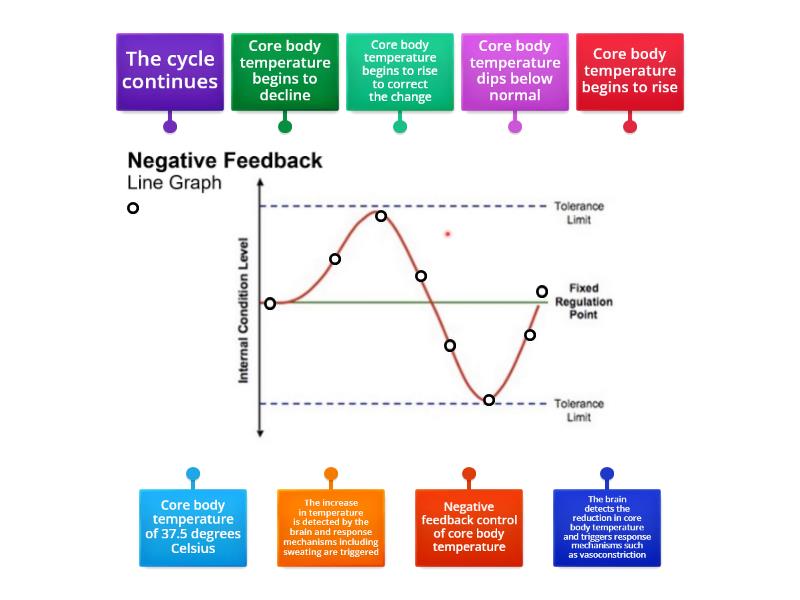
Negative feedback is a fascinating concept that permeates various domains, from biology to corporate environments. Often misunderstood, this mechanism is vital for maintaining homeostasis and fostering improvement. Understanding its implications and applications can fundamentally alter your perception of feedback and enhance your capacity for growth and adaptation. But what exactly qualifies as negative feedback? Let’s unravel this intriguing topic by first outlining what negative feedback entails and then delving into examples across diverse areas.
Understanding Negative Feedback
At its core, negative feedback refers to a process where the output of a system inhibits or reduces its own production. Unlike positive feedback, which amplifies changes, negative feedback seeks to restore equilibrium. In biological contexts, think of it as a regulatory mechanism that counters deviations from a set point. The significance of negative feedback is not confined to biological processes; it may resonate in organizational structures, technological systems, and even behavioral adjustments.
Examples of Negative Feedback in Different Domains
1. Biological Systems
In the realm of biology, one of the quintessential examples of negative feedback is the regulation of blood glucose levels. When glucose concentration rises, the pancreas secretes insulin, prompting cells to absorb glucose and lowering blood sugar levels. Conversely, if blood sugar levels drop, glucagon is released to raise glucose levels back to homeostasis. This interplay is paramount in maintaining metabolic equilibrium, illustrating how organisms adaptively respond to environmental changes.
2. The Human Body: Thermoregulation
Another striking example is thermoregulation. When the human body overheats, the hypothalamus triggers mechanisms such as increased perspiration and dilation of blood vessels, facilitating heat loss. Conversely, when the environment is frigid, the body constricts blood vessels and shivers to generate warmth. This continuous feedback loop ensures that body temperature remains within a narrow, optimal range, underscoring the importance of negative feedback in homeostasis.
3. Corporate Environments: Performance Reviews
Translating the concept to a corporate context, negative feedback manifests during performance reviews. An employee receiving constructive criticism aimed at improving their work habits or output exemplifies negative feedback in action. Here, the intention is not to diminish the individual but to illuminate areas for growth. By addressing weaknesses, organizations foster an atmosphere of continuous development and accountability.
4. Technology: Homeostatic Control Systems
In the technological sphere, consider home heating systems. A thermostat regulated by negative feedback maintains a set temperature by signaling the heater to stop when the desired warmth is achieved. Should the temperature drop below the threshold, the thermostat activates the heating mechanism again. This feedback loop not only conserves energy but also delivers optimal comfort, illustrating how technology can emulate biological processes through systematic regulation.
5. Learning Environments: Academic Instability
In educational settings, negative feedback can initially appear daunting but is essential for academic mastery. For instance, students may struggle with a subject and receive critiques on their performance. These assessments illuminate gaps in understanding, enabling students to refine their techniques and boost their educational outcomes. Through embracing negative feedback, learners sharpen their skills and cultivate resilience.
The Importance of Negative Feedback
The implications of negative feedback extend beyond specific examples. The essence of adaptability hinges on one’s ability to respond appropriately to criticism and rectify course deviations. Furthermore, the ability to embrace negative feedback can catalyze profound personal and professional transformations. It cultivates awareness, enhances performance, and instills a growth mindset, turning potentially disheartening critiques into invaluable opportunities for progress.
Reframing Negative Feedback
Societal attitudes towards feedback often skew negative, breeding resistance when confronting adverse opinions. Yet shifting this perspective can yield immense benefits. Rather than perceiving criticism as an affront, view it as a critical tool for advancement. Consider how athletes refine their techniques based on coaches’ critiques or how musicians perfect their craft through constructive feedback. Cultivating a mindset that appreciates negative feedback can empower you to seek ongoing improvement and foster resilience.
Curiosity and Continuous Improvement
The journey of seeking and incorporating negative feedback also breeds curiosity. Engaging with varied perspectives expands understanding and enhances creativity. Each piece of constructive criticism offers a new lens through which to view oneself or one’s work. Embracing this feedback loop cultivates an environment that thrives on innovation and perpetual growth. In an age of rapid change, the ability to adapt and improve is invaluable, setting apart those who flourish from those who stagnate.
Conclusion
Negative feedback, often overlooked, is an essential component of many systems, intricately linked to the concepts of stability and growth. Recognizing its significance across disciplines reframes the narrative around criticism, inviting curiosity and a proactive mindset towards personal and professional development. By embracing negative feedback, individuals can embark on a journey of self-discovery and continual improvement. The next time you encounter criticism, remember its profound potential to catalyze change and foster resilience, igniting a shift in perspective that ultimately leads to extraordinary growth.